

In today’s fast-paced digital landscape, business owners and marketers are constantly seeking ways to streamline content creation and enhance their marketing efforts. The how to use ai for content creation and marketing process can be time-consuming and resource-intensive, but AI offers a powerful solution. By leveraging AI tools, you can generate high-quality content faster, improve efficiency, and focus more on strategy and engagement. This guide will walk you through the practical steps of integrating AI into your workflow, from selecting the right tools to measuring their impact. Whether you’re a content creator or a marketer, understanding how to use AI for content creation and marketing can transform your approach and deliver better results.
Choosing the Right AI Content Creation Tools
Selecting the right AI content creation tools is essential for streamlining your workflow and maximizing efficiency. The best tools should align with your specific content needs, integrate seamlessly with your marketing platforms, and offer features that support your business goals.

- Evaluate AI tools based on features like content generation, SEO optimization, and integration with marketing platforms.
- Consider the type of content you need to create (blog posts, social media, emails, etc.).
- Compare pricing models and free trials to find the best fit for your business.
- Check for support and customization options to suit your workflow.
AI Content Creation Tools Overview
AI content creation tools vary in their capabilities, ranging from basic text generation to advanced platforms that handle SEO optimization and social media scheduling. When evaluating these tools, prioritize features that match your content creation goals. For instance, a tool that excels in blog post writing may not be ideal for generating social media captions. Look for platforms that offer templates, customization options, and support for multiple content formats.
How to Select the Best AI Tool for Your Needs
To select the best AI tool for your needs, start by identifying your content creation priorities. If you need to produce a high volume of content, prioritize tools with automation features and scalability. If your focus is on SEO-driven content, choose a platform that integrates with keyword research tools and offers on-page optimization suggestions. Always test free trials to understand how the tool performs in practice and whether it aligns with your workflow and brand voice.
Integrating AI Into Your Marketing Strategy
Integrating AI into your marketing strategy requires a balance between automation and brand consistency. By aligning AI-generated content with your brand voice and audience preferences, you can ensure that your messaging remains relevant and engaging. Simultaneously, leveraging AI for content distribution and performance tracking allows you to streamline workflows and make data-driven decisions.
Align AI Content with Brand Voice
Aligning AI content with your brand voice is essential for maintaining consistency across all marketing channels. AI tools can be trained on your existing content to replicate your tone, style, and messaging, ensuring that new material feels authentic. This process involves inputting past content, brand guidelines, and audience insights to fine-tune the AI's output. Regularly reviewing and refining these settings ensures that the content remains aligned with your brand's evolving identity.
Automate Content Distribution and Monitoring
Automating content distribution with AI scheduling tools and social media platforms can significantly enhance efficiency. AI-powered tools can post content across multiple channels at optimal times, based on audience engagement patterns. These platforms can also monitor interactions, such as clicks and shares, to provide real-time feedback on content performance. By integrating AI into your distribution strategy, you can focus on higher-level tasks while ensuring your content reaches the right audience at the right time.
Creating a Content Calendar with AI
Creating a content calendar with AI allows you to plan, schedule, and manage your content more efficiently. By leveraging AI tools, you can generate ideas, automate scheduling, and ensure consistent publishing across platforms.

- Use AI to generate content ideas based on trends and audience behavior.
- Schedule content in advance using AI-powered calendar tools.
- Automate content formatting and publishing across multiple platforms.
- Monitor engagement and adjust your calendar based on performance data.
AI-Powered Content Idea Generation
AI-powered content idea generation involves using tools that analyze trends, search data, and audience behavior to suggest topics that resonate with your target audience. These tools can pull insights from social media, blogs, and search engines to identify gaps and opportunities. By integrating this data, you can create content that is not only relevant but also aligned with what your audience is searching for.
Automating Your Content Calendar Workflow
Automating your content calendar workflow involves using AI tools that integrate with your scheduling platforms to streamline the publishing process. These tools can automatically format content, schedule posts at optimal times, and even publish across multiple channels with a single click. This automation saves time and reduces the risk of human error, allowing you to focus on strategy and engagement.
Optimizing AI-Generated Content for SEO
Optimizing AI-generated content for SEO is crucial to ensure visibility and engagement. By leveraging AI tools, you can refine your content strategy to align with search trends and user intent, enhancing both reach and relevance.
AI for Keyword Research and Content Optimization
AI tools can analyze keyword data to identify high-performing terms and suggest variations that align with your audience's search behavior. This helps in crafting content that meets user needs while improving search rankings. Additionally, AI can optimize content structure by suggesting appropriate headings, meta descriptions, and internal links, which are essential for SEO performance. By integrating these elements, your content becomes more discoverable and user-friendly.
Testing SEO Strategies with AI-Generated Content
Testing different SEO strategies with AI-generated content variations allows you to experiment with content formats, keyword placements, and meta tags. AI can simulate various scenarios and provide insights into which approaches yield better results. By analyzing search engine rankings and user engagement metrics, you can refine your content strategy over time. This iterative process ensures that your content remains competitive and adapts to evolving search algorithms and audience preferences.
Measuring the Impact of AI on Your Marketing
Understanding the impact of AI on your marketing efforts is essential for refining your strategy and maximizing ROI. By analyzing real-world data and user feedback, you can determine which AI-generated content performs best and how to improve future outputs.
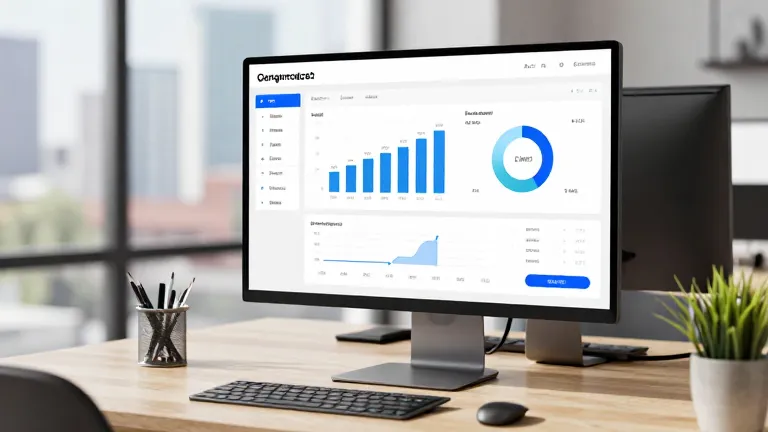
- Track click-through rates, engagement, and conversion rates to measure the effectiveness of AI-generated content.
- Compare AI content against human-written content to identify strengths and weaknesses in performance.
- Use analytics tools like Google Analytics or social media insights to uncover trends and audience preferences.
- Leverage A/B testing to refine content formats, headlines, and calls-to-action based on real user behavior.
Key Metrics to Track with AI-Generated Content
Click-through rates (CTR) indicate how well your content attracts clicks from search engines or social media. High CTR suggests your AI-generated content is relevant and compelling. Engagement metrics, such as likes, shares, and comments, provide insight into how your audience interacts with the content. Conversion rates reveal how effectively your content drives the desired actions, such as signing up for a newsletter or making a purchase.
Refining Your AI Strategy Based on Performance
Refining your AI strategy involves analyzing performance data to make informed decisions. If certain types of content consistently underperform, you can adjust your AI tools' settings or retrain the model with more relevant data. User feedback, gathered through surveys or social listening, can also guide improvements. By iterating based on real-world results, you ensure that your AI-generated content remains aligned with your audience's needs and business goals.
Frequently Asked Questions
What are the best AI tools for content creation?
The best AI tools for content creation depend on your needs, such as copywriting, SEO, or social media. Popular options include Jasper, Copy.ai, and Frase. Choose tools that align with your workflow and content goals.
How can AI improve my marketing strategy?
AI can improve your marketing strategy by automating tasks, personalizing content, and analyzing data for insights. It helps streamline workflows and optimize campaigns for better engagement and conversions.
Can AI help with content scheduling?
Yes, AI can help with content scheduling by automating calendar creation and optimizing posting times. Tools like Content Calendar AI and Hootsuite integrate AI to streamline the planning and distribution process.
How do I measure the success of AI-generated content?
Measure success by tracking metrics like engagement rates, click-through rates, and conversion rates. Use AI tools to analyze performance and refine your content strategy accordingly.
Next Steps with AI
Leverage AI tools to streamline content creation, enhance marketing strategies, and improve SEO performance. Start by selecting the right tools and aligning them with your brand voice and goals.
Implement AI-powered content calendars and track key metrics to refine your approach. The key is to integrate AI into your workflow while maintaining human oversight for quality and creativity.