
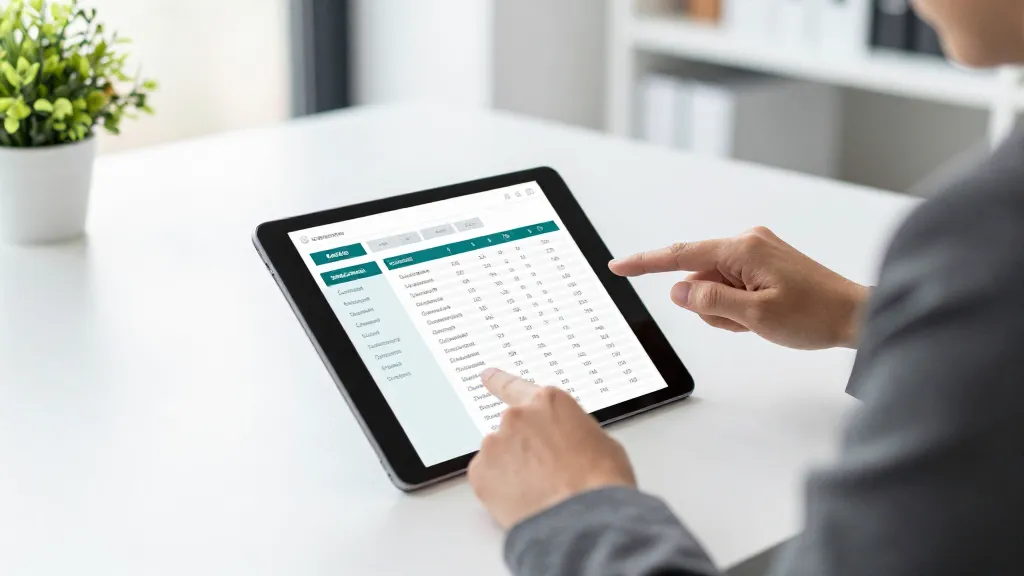
In today's competitive market, small business owners and marketers are constantly seeking ways to streamline their lead generation processes. Traditional methods can be time-consuming and inefficient, making it difficult to keep up with customer demands. That’s where AI comes in — how to use AI for lead generation can transform the way you find and engage with potential customers. By leveraging intelligent tools, you can automate tasks, analyze data, and focus more on building relationships and closing deals. This guide will walk you through the essential steps to effectively integrate AI into your lead generation strategy, ensuring you stay ahead of the competition.
Understanding AI in Lead Generation
AI lead generation leverages advanced algorithms and data analysis to automate and enhance the process of identifying and engaging potential customers. By integrating AI into lead generation strategies, small businesses and marketers can significantly improve efficiency, reduce manual effort, and make more informed decisions. Understanding the fundamentals of AI in lead generation is essential for selecting the right tools and maximizing their impact on your sales pipeline.
What Is AI Lead Generation?
AI lead generation refers to the use of artificial intelligence to identify, qualify, and engage potential customers. Unlike traditional methods that rely on manual outreach and guesswork, AI-driven approaches analyze vast amounts of data to uncover patterns and predict customer behavior. This enables businesses to target the most promising leads with personalized messaging, increasing the likelihood of conversion. The core of AI lead generation lies in its ability to process and interpret data at scale, making it a powerful tool for modern marketing strategies.
How AI Tools Analyze Customer Data
AI tools analyze customer data by processing information from various sources such as CRM systems, social media, website interactions, and email campaigns. These tools use machine learning algorithms to detect trends, preferences, and behavioral patterns that may not be immediately apparent to human analysts. For instance, AI can identify which content resonates most with different audience segments or predict which leads are most likely to convert based on past behavior. By continuously learning from new data, AI tools refine their predictions and recommendations, improving the accuracy and effectiveness of lead generation efforts over time.
Choosing the Right AI Tools for Lead Generation
Selecting the right AI tools for lead generation is crucial to ensuring seamless integration and maximizing the effectiveness of your automation efforts. The best tools should align with your business goals, complement your existing tech stack, and provide the features you need to streamline lead capture, scoring, and follow-up.

- Integrate with your CRM and marketing platforms
- Look for lead scoring and automation features
- Evaluate ease of use and support for your team
Top AI Lead Generation Tools to Consider
When selecting AI tools, prioritize those that integrate seamlessly with your existing CRM and marketing platforms. Tools like HubSpot, Salesforce, and Marketo offer built-in AI capabilities that can enhance lead generation without requiring complex setup. Integration ensures that data flows smoothly between systems, reducing manual work and improving accuracy.
Many AI lead generation tools also offer lead scoring features, which help prioritize high-quality prospects. These tools analyze customer behavior, engagement, and demographics to assign scores, allowing your sales team to focus on the most promising leads. Automation features such as email campaigns, follow-up sequences, and lead routing further streamline the process.
How to Compare AI Tools for Lead Generation
Ease of use and customer support are critical factors when choosing AI tools. A user-friendly interface ensures your team can adopt the tool quickly and efficiently, minimizing the learning curve. Look for tools that provide comprehensive training resources, tutorials, and responsive customer support to address any challenges during implementation.
To compare AI tools, evaluate their features against your business needs, budget, and scalability requirements. Consider factors like data security, customization options, and the ability to scale as your business grows. A tool that offers flexibility and adaptability will be more valuable in the long run.
Integrating AI Into Your Lead Generation Workflow
Integrating AI into your lead generation workflow requires setting up tools to collect and analyze customer data, then using this insight to automate follow-up and nurturing. By leveraging AI’s ability to process vast amounts of data, you can create a more efficient and personalized lead generation process that scales with your business.
Setting Up AI for Lead Capture
Setting up AI for lead capture involves selecting tools that can automatically gather customer data from various sources such as websites, social media, and email campaigns. AI tools can track user behavior, such as page visits and form submissions, and use this data to build detailed customer profiles. Once the data is collected, AI can analyze it to identify patterns, preferences, and potential intent, which helps in refining your lead targeting strategy.
Automating Lead Nurturing with AI
Automating lead nurturing with AI means using predictive algorithms to determine the best time and method to engage with leads. AI can send personalized messages, recommend content, or even schedule follow-ups based on a lead’s activity and engagement level. This ensures that leads receive timely and relevant communication, increasing the likelihood of conversion without requiring constant manual oversight. As AI continues to learn from interactions, it can refine these nurturing strategies to better align with what each lead needs at different stages of the sales funnel.
Qualifying Leads with AI
Qualifying leads with AI allows businesses to streamline the lead scoring process and focus their sales efforts on the most promising opportunities. AI systems analyze data from various touchpoints to assess a lead's engagement level and potential to convert, offering a data-driven approach to prioritization.

How AI Scores Leads for Sales
AI scores leads by evaluating factors such as website activity, email engagement, and past interactions with marketing content. These systems use historical data to identify patterns that correlate with higher conversion rates, enabling more accurate predictions of a lead's likelihood to become a customer. By assigning numerical scores to leads, AI helps sales teams quickly identify which prospects require immediate attention and which can be nurtured over time.
Automating Lead Prioritization with AI
Automating lead prioritization with AI involves setting rules based on specific criteria like lead score thresholds, engagement frequency, and demographic data. These rules allow the system to automatically assign leads to different stages of the sales funnel or flag high-potential prospects for manual review. This automation not only saves time but also ensures that your sales team is consistently focused on the most valuable opportunities, improving overall conversion rates and resource efficiency.
Measuring and Optimizing AI Lead Generation
Measuring and optimizing AI lead generation is essential to ensure your strategies remain effective and aligned with business goals. By tracking the right metrics and refining your approach based on data, you can enhance the quality and relevance of leads generated through AI tools.

Key Metrics to Track for AI Lead Generation
Key metrics such as lead conversion rates, response times, and engagement levels provide insight into how well your AI tools are performing. Conversion rates indicate the percentage of leads that move from initial contact to a sales stage, while response times help assess how quickly your AI-driven outreach is being acted upon. Monitoring engagement metrics like click-through rates and open rates can also reveal how well your AI-generated content resonates with your target audience.
How to Improve AI Lead Generation Over Time
Improving AI lead generation over time requires continuous refinement of models and strategies. A/B testing is a powerful method to evaluate which AI-generated content or outreach tactics yield better results. By experimenting with different subject lines, messaging styles, or outreach timing, you can identify what works best for your audience. Additionally, regularly updating AI models with new performance data ensures they adapt to changing customer behaviors and market trends, maintaining their effectiveness in lead generation.
Frequently Asked Questions
What are the best AI tools for lead generation?
The best AI tools for lead generation include HubSpot, Salesforce Einstein, and Pardot. These tools offer advanced analytics and automation features to streamline lead capture and nurturing. When choosing a tool, consider your business size, budget, and integration needs.
How can AI help with lead qualification?
AI helps with lead qualification by analyzing customer data to score leads based on their likelihood to convert. It uses historical data and behavioral patterns to prioritize high-value leads, improving the efficiency of the sales process.
Can AI tools replace human salespeople in lead generation?
AI tools cannot fully replace human salespeople but can significantly enhance their efficiency. AI handles repetitive tasks and data analysis, while humans bring creativity and relationship-building skills. A combination of both is ideal for successful lead generation.
How do I measure the success of AI in lead generation?
To measure the success of AI in lead generation, track key metrics like conversion rates, lead response times, and customer engagement. Use these insights to refine your AI strategies and improve overall performance.
Next Steps in AI Lead Generation
AI can transform lead generation by automating tasks, improving data analysis, and prioritizing leads. However, it's essential to integrate AI with human expertise for the best results.
Start by selecting the right AI tools for your business and gradually integrate them into your lead generation workflow. Regularly evaluate performance and refine your approach for continuous improvement.