
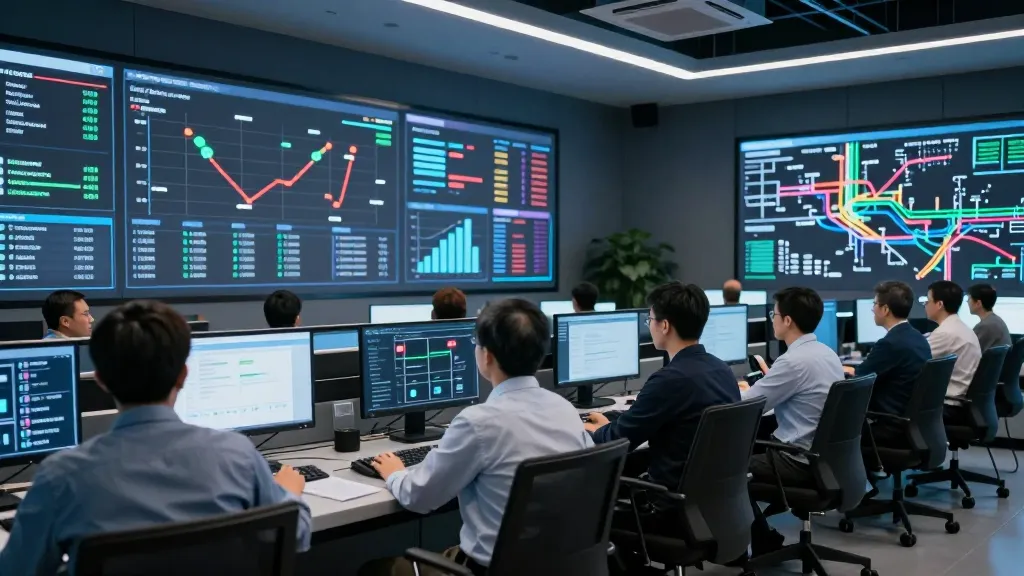
In today’s fast-paced business environment, managing a supply chain efficiently is more critical than ever. Manual processes often lead to delays, errors, and missed opportunities, making it hard for small businesses to keep up with larger competitors. Enter AI supply chain automation, a game-changing solution that promises to streamline operations, cut costs, and boost productivity. This article explores how Pedestal AI is leveraging cutting-edge agentic AI to transform supply chain management, offering real-world insights into its impact on business efficiency.
Pedestal AI, a startup backed by $4.7 million in seed funding, is redefining how supply chains operate. By integrating AI agents into logistics workflows, the company is helping businesses reduce friction, improve reliability, and enhance customer satisfaction. Its partnerships with Fortune 500 companies and major shipping firms highlight the growing demand for intelligent automation in the industry.
Through practical examples and case studies, we’ll examine how AI-driven tools are reshaping supply chain operations. From automating customer communication to optimizing data collection, Pedestal AI demonstrates the tangible benefits of adopting AI supply chain automation. Whether you’re a small business owner or a professional looking to streamline workflows, this article provides valuable insights into the future of logistics and how you can stay ahead of the curve.
Introducing Pedestal AI and Its Mission
Pedestal AI is a new startup leveraging agentic AI to revolutionize delivery supply chains, aiming to enhance speed and reliability for businesses. By focusing on reducing friction in shipping processes, the company is positioning itself as a key player in the evolving landscape of logistics technology.

The Seed Funding and Partnerships
Pedestal AI recently secured $4.7 million in seed funding to accelerate its growth and expand its product offerings. This investment, led by Eclipse and joined by RRE, Converge VC, Timescale Ventures, and VitalStage, will support the company’s efforts to scale its engineering and marketing teams. The funding also enables further deployments, reinforcing Pedestal’s commitment to delivering impactful solutions across the supply chain sector.
How Agentic AI Is Used in Supply Chains
Pedestal AI has already established partnerships with Fortune 500 companies and major shipping firms, demonstrating the confidence placed in its agentic AI technology. These collaborations allow the company to test and refine its systems in real-world scenarios, ensuring they meet the demands of large-scale operations. The integration of agentic AI into supply chains is designed to automate repetitive tasks, streamline workflows, and enhance overall efficiency.
How Pedestal AI Is Transforming Supply Chain Operations
Pedestal AI is redefining supply chain operations by leveraging AI agents to streamline processes and reduce inefficiencies. The company's focus is on automating repetitive and error-prone tasks, particularly in customer communication and data management, to enhance delivery accuracy and minimize manual effort.

Automating Customer Communication
One of the key ways Pedestal AI improves supply chain operations is by automating customer communication. The company deploys AI agents to handle interactions with customers, such as calling them 30 minutes before a scheduled delivery to gather any special instructions. If the call is not answered, the system automatically sends a text message to ensure the customer is informed. This automated approach not only reduces the workload on human staff but also ensures that delivery details are communicated reliably, reducing the risk of missed appointments.
Data Collection and Optimization
Beyond customer communication, Pedestal AI excels in data collection and optimization. By integrating AI agents into the delivery process, the company gathers detailed insights into friction points and operational inefficiencies. For example, the system tracks call success rates, text response times, and delivery outcomes, which are then used to refine and optimize the process further. This data-driven approach enables continuous improvement, allowing businesses to enhance their supply chain performance over time. The ability to analyze and act on real-time data is a game-changer for companies looking to increase efficiency and reduce costs.
The Practical Impact of AI on Business Efficiency
AI supply chain automation is reshaping how businesses manage their operations, offering tangible benefits such as reduced manual workloads, enhanced delivery accuracy, and improved overall efficiency. By leveraging agentic AI, companies can streamline complex processes, leading to measurable gains in both cost and performance.
Cost Savings and Operational Gains
Pedestal AI's deployment has demonstrated significant cost savings and operational improvements for businesses. By automating tasks such as customer communication and data collection, the system reduces the need for manual intervention, which in turn lowers labor costs and minimizes errors. The ability to analyze real-time data and optimize processes further enhances efficiency, allowing companies to allocate resources more effectively and scale operations with greater confidence.
Improving Customer Satisfaction
Beyond cost reduction, AI-driven supply chain solutions also play a crucial role in improving customer satisfaction. With agentic AI handling routine interactions, businesses can ensure faster and more accurate deliveries, leading to higher customer retention and positive feedback. The data collected through these interactions also enables companies to anticipate and address potential issues before they impact the customer experience, fostering trust and long-term loyalty.
Case Study: AI in Action with a Major Furniture Company
Pedestal AI's implementation with a major furniture company demonstrates how agentic AI can address real-world logistics challenges. By automating customer communication and streamlining delivery processes, the company achieved a 20% reduction in missed deliveries, showcasing the tangible benefits of AI supply chain automation.

Implementation and Results
The furniture company deployed Pedestal AI agents to handle customer communication, significantly reducing the need for manual intervention. These agents were programmed to call customers 30 minutes before a delivery, collecting any special instructions. If the call wasn’t successful, a text message was automatically sent from a separate system, ensuring that no critical information was missed.
Data-Driven Optimization
Beyond improving delivery accuracy, the deployment also generated valuable data on friction points within the delivery process. This data provided insights into inefficiencies that could be addressed to further optimize operations. By analyzing these points, the company was able to refine its delivery strategies, enhancing both reliability and customer satisfaction. This data-driven approach highlights how AI can not only solve immediate issues but also support long-term improvements in supply chain management.
What This Means for Businesses and the Future of Supply Chains
Pedestal AI’s success underscores the transformative potential of AI in redefining supply chain management. As businesses face increasing demands for efficiency and accuracy, the integration of agentic AI into logistics is becoming a critical strategy. This shift not only streamlines operations but also positions companies to stay competitive in an evolving market.
The Future of AI in Logistics
The future of AI in logistics is marked by its ability to handle complex tasks, from automating customer communication to optimizing delivery routes. By reducing human intervention in repetitive processes, agentic AI ensures faster, more reliable operations. This trend is expected to continue as more companies recognize the value of data-driven decision-making in supply chain management.
Adopting AI for Competitive Advantage
Adopting AI tools like Pedestal AI allows businesses to reduce manual work, improve delivery accuracy, and enhance customer satisfaction. As AI technology evolves, those who embrace it early will gain a competitive edge. Staying informed about these advancements and integrating them into existing systems is essential for long-term success in supply chain operations.
Frequently Asked Questions
What is the primary function of Pedestal AI?
Pedestal AI's primary function is to automate and optimize supply chain operations using agentic AI. The company focuses on enhancing reliability and efficiency by reducing friction in delivery processes.
How does AI improve supply chain efficiency?
AI improves supply chain efficiency by automating tasks like customer communication and data collection. It enables real-time optimization, reducing delays and improving operational performance.
Can AI reduce missed deliveries in logistics?
Yes, AI can reduce missed deliveries by automating customer communication and tracking. By proactively managing delivery instructions, AI helps ensure smoother delivery processes and fewer missed appointments.
What are the benefits of using agentic AI in supply chains?
Agentic AI offers benefits like increased reliability, reduced operational friction, and enhanced data-driven decision-making. It enables faster, more efficient supply chain operations and supports continuous optimization.
The Path Forward
Pedestal AI is revolutionizing supply chain management through AI-driven automation and optimization. By leveraging agentic AI, businesses can achieve greater efficiency, reduce costs, and improve customer satisfaction.
For businesses looking to stay competitive, adopting AI solutions like Pedestal AI is essential. Start by evaluating how automation can streamline your operations and enhance reliability in your supply chain.