
In today’s fast-paced business environment, manual tasks and repetitive workflows can significantly slow down productivity. An AI productivity assistant can act as a powerful tool to automate these processes, allowing professionals to focus on high-value activities. Whether you're managing emails, scheduling meetings, or organizing projects, the right AI assistant can streamline operations and reduce the burden of routine tasks. This article explores how AI-driven solutions are reshaping business efficiency and highlights the best tools to help you achieve optimal performance.
We’ll start by defining what an AI productivity assistant is and how it differs from general AI tools. Then, we’ll dive into the top options available, including Microsoft Copilot, Notion AI, and Google Workspace AI, each offering unique benefits for different business needs. Understanding these tools will help you identify the best fit for your workflow.
Finally, we’ll discuss how to choose the right assistant for your organization, explore real-world use cases, and share best practices for integrating AI into your daily routine. By the end of this article, you’ll have a clear understanding of how to leverage AI to boost productivity and drive efficiency in your business operations.
What Is an AI Productivity Assistant?
An AI productivity assistant is a specialized tool designed to streamline workflows, automate repetitive tasks, and enhance workplace efficiency. Unlike general AI tools, which may offer broad capabilities, AI productivity assistants focus on integrating seamlessly into daily business operations to reduce manual effort and optimize task management.
Key Features of AI Productivity Assistants
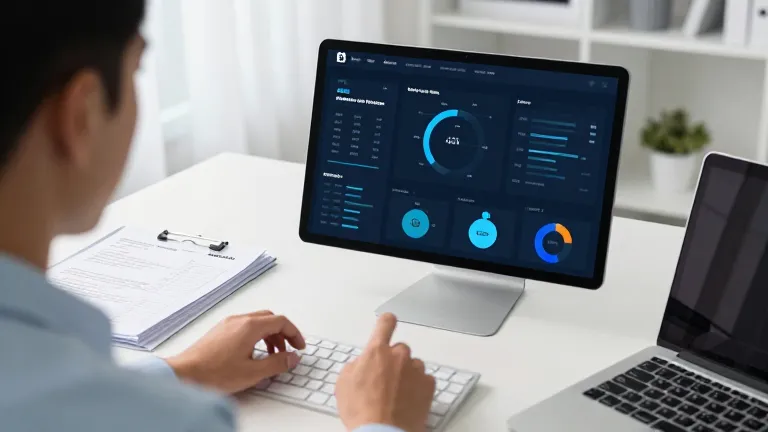
AI productivity assistants typically include features such as task automation, email management, calendar integration, and data analysis. These tools can help professionals organize their workflows by prioritizing tasks, generating reports, and even drafting emails based on user input. Their primary goal is to save time and reduce the cognitive load associated with routine administrative duties.
How They Differ From General AI Tools
While general AI tools may offer capabilities like natural language processing or machine learning, AI productivity assistants are tailored for specific business functions. They are often designed with user-friendly interfaces and pre-built workflows that align with common workplace tasks. This specialization allows them to deliver measurable improvements in efficiency without requiring extensive technical expertise from users.
Top AI Productivity Assistants for Business Efficiency
AI productivity assistants are transformative tools for businesses looking to automate repetitive tasks and enhance workflow efficiency. Among the most effective options, Microsoft Copilot, Notion AI, and Google Workspace AI stand out for their unique capabilities and integration with widely used business platforms.
| Tool | Automation Capabilities | Integration | Use Case |
|---|---|---|---|
| Microsoft Copilot | Automates email drafting, data analysis, and document formatting in Office 365 | Seamlessly integrates with Word, Excel, PowerPoint, and Outlook | Ideal for streamlining document creation and communication |
| Notion AI | Assists with task automation, content generation, and smart scheduling | Works across Notion pages and integrates with third-party apps like Slack and Google Workspace | Perfect for managing complex projects and documentation |
| Google Workspace AI | Enhances email filtering, meeting scheduling, and document summarization | Deeply integrated with Gmail, Calendar, and Docs | Best suited for improving team collaboration and communication |
Microsoft Copilot for Office Automation
Microsoft Copilot is designed to enhance productivity within the Office 365 ecosystem. By leveraging natural language processing, it can assist with drafting emails, analyzing data, and formatting documents. Its integration with Microsoft's suite of tools makes it a seamless addition for businesses already using these platforms.
Notion AI for Task Management and Documentation
Notion AI offers a flexible approach to task management and documentation. Its ability to generate content and automate scheduling provides a centralized hub for project management. This makes it particularly useful for teams that require a high degree of customization and integration with other tools.
Google Workspace AI for Collaboration and Workflow Integration
Google Workspace AI enhances collaboration by automating routine tasks such as email filtering and meeting scheduling. Its integration with Gmail and Calendar ensures that teams can work more efficiently without the need for manual oversight. This makes it an excellent choice for businesses focused on improving communication and workflow.
How to Choose the Right AI Productivity Assistant
Selecting the right AI productivity assistant requires a clear understanding of your business goals and operational needs. While many tools offer similar functionalities, the best choice depends on factors such as ease of use, integration capabilities, and cost. A well-matched AI assistant can significantly improve efficiency, reduce manual effort, and enhance collaboration across teams.

Key Criteria for Selecting an AI Assistant
When evaluating AI productivity assistants, prioritize ease of use and intuitive design. A tool that requires extensive training or complex setup may hinder adoption, especially for non-technical users. Look for platforms with clean interfaces, customizable workflows, and straightforward navigation. Integration with existing tools like email clients, project management software, and communication platforms is equally important. Seamless compatibility ensures that your AI assistant enhances rather than disrupts your current workflows.
Matching Tools to Business Needs
Aligning an AI assistant with specific business needs involves assessing the type of tasks you want to automate. For example, a tool with robust email automation might be ideal for customer service teams, while a project management-focused AI could benefit task-heavy departments. Consider scalability as well—will the tool grow with your business? Cost-effectiveness should also be a key factor. While some high-end tools offer advanced features, free or low-cost alternatives may provide sufficient functionality for smaller teams. Always evaluate the return on investment by comparing the tool’s capabilities against the time and effort it can save.
Real-World Use Cases and Benefits
AI productivity assistants are transforming how businesses manage daily operations by automating repetitive tasks and improving communication. Real-world use cases highlight how these tools can streamline workflows, reduce manual effort, and boost overall efficiency.
- Automate email responses with AI to reduce time spent on customer inquiries
- Integrate calendar management tools to optimize meeting schedules
- Use data entry automation to minimize errors and free up employee time
- Leverage AI-driven analytics for smarter decision-making and reporting
Automation in Email and Communication
AI productivity assistants can automate email responses by analyzing past interactions and crafting personalized replies. This is particularly useful for customer service teams handling high volumes of inquiries. By reducing the need for manual drafting, businesses can cut response times by up to 50% and improve customer satisfaction. Tools like Microsoft Copilot and Notion AI allow users to generate, edit, and send emails with minimal effort, making communication more efficient.
Task Scheduling and Calendar Management
Task scheduling and calendar management are significantly enhanced by AI assistants that can automatically book meetings, send reminders, and adjust schedules based on availability. For example, Google Workspace AI can suggest optimal meeting times by analyzing team calendars and availability. This not only reduces scheduling conflicts but also ensures that meetings are more productive. Integrating AI with existing calendar systems saves hours each week, allowing professionals to focus on higher-value tasks.
Best Practices for Using AI Productivity Assistants
To maximize the value of an AI productivity assistant, it's essential to set up and customize the tool to fit your specific needs while integrating it seamlessly into your daily workflows. A well-structured approach ensures that automation enhances efficiency without replacing the critical human elements of decision-making and oversight.

- Define clear objectives and workflows before deploying the AI assistant to ensure alignment with your business goals.
- Customize settings, shortcuts, and automation rules to match your team's preferences and operational rhythm.
- Regularly review and refine the AI's performance to ensure it remains effective and relevant to your evolving needs.
- Balance automation with human oversight by assigning critical tasks to human judgment and using AI for repetitive or data-driven actions.
Setting Up and Customizing Your AI Assistant
Setting up your AI productivity assistant should start with identifying the core tasks you want to automate. Begin by mapping out your current workflows to pinpoint areas where AI can reduce manual effort. Customize the assistant's settings, such as notification preferences, task prioritization, and integration with other tools, to create a personalized experience that aligns with your team's workflow. Regularly update these settings as your business evolves to maintain optimal performance.
Tips for Effective Workflow Integration
Effective integration of an AI assistant into your workflow requires thoughtful planning and gradual implementation. Start by assigning the AI to handle non-critical or repetitive tasks, such as scheduling meetings or drafting emails, to observe its impact without disrupting your core operations. As you gain confidence, expand its role to more complex tasks, such as data analysis or report generation. Consistent monitoring and feedback will help refine how the AI supports your workflow, ensuring it remains a valuable asset rather than an obstacle.
Frequently Asked Questions
What are the most effective AI tools for automating office tasks?
The most effective AI tools for automating office tasks include Microsoft Copilot, Notion AI, and Google Workspace AI. These tools streamline communication, task management, and workflow integration, offering tailored solutions for different business needs.
How can AI productivity assistants improve business efficiency?
AI productivity assistants improve business efficiency by automating repetitive tasks, optimizing workflows, and providing data-driven insights. They reduce manual effort, minimize errors, and allow teams to focus on strategic tasks.
Are AI assistants suitable for small businesses?
Yes, AI assistants are suitable for small businesses. They offer scalable solutions that can be customized to fit the needs of growing teams. Many tools provide affordable plans and intuitive interfaces for easy adoption.
What should I look for when choosing an AI productivity assistant?
When choosing an AI productivity assistant, consider key features such as automation capabilities, integration with existing tools, user-friendliness, and scalability. Ensure the tool aligns with your specific business needs and workflow.
Final Thoughts
Selecting the right AI productivity assistant can significantly enhance business efficiency and workflow management. By leveraging tools like Microsoft Copilot, Notion AI, and Google Workspace AI, organizations can automate tasks and improve productivity.
To get started, evaluate your team's needs, compare available tools, and choose one that integrates seamlessly with your current workflow. Implementing an AI assistant is a strategic step toward smarter, more efficient operations.