Interior designers are constantly seeking ways to enhance efficiency and creativity in their workflows. As the demand for faster, more accurate design solutions grows, integrating best ai software for interior design has become a key strategy for staying competitive. AI tools now offer powerful capabilities that streamline tasks from conceptualization to final presentation, allowing designers to focus more on creativity and less on repetitive work. Whether you're working on residential or commercial projects, the right AI software can significantly improve your productivity and client satisfaction.
This article explores the top AI software for interior designers in 2025, highlighting tools that excel in 3D modeling, space planning, and layout optimization. We also discuss how these technologies can streamline your design workflow and provide real-world examples of their impact. By understanding the best practices for integrating AI into your practice, you can make informed decisions that align with your specific needs and goals.
From automating routine tasks to generating innovative design ideas, AI is reshaping the interior design landscape. As we delve into the benefits and applications of these tools, you'll gain insights into how to leverage AI to elevate your projects and deliver exceptional results to your clients.
Top AI Software for Interior Designers
In 2025, AI software has become a game-changer for interior designers, offering powerful tools to enhance creativity, efficiency, and client satisfaction. The best AI software for interior design combines advanced algorithms with intuitive interfaces, enabling professionals to streamline repetitive tasks, generate realistic visualizations, and optimize spatial layouts with minimal effort.
| Tool | Functionality | Ease of Use | Integration Capabilities |
|---|---|---|---|
| Lumion AI | Generates photorealistic 3D renderings with minimal input | High | Seamlessly integrates with Revit, SketchUp, and Rhino |
| Midjourney | Creates high-quality 3D visualizations from text prompts | Medium | Works with most 3D modeling software via API |
| SpacePlanner AI | Automatically optimizes room layouts and furniture placement | High | Integrates with CAD software and project management tools |
| DesignAI Pro | Offers AI-powered space planning and material selection | Medium | Supports integration with BIM and visualization platforms |
1. AI Tools for 3D Modeling and Visualization
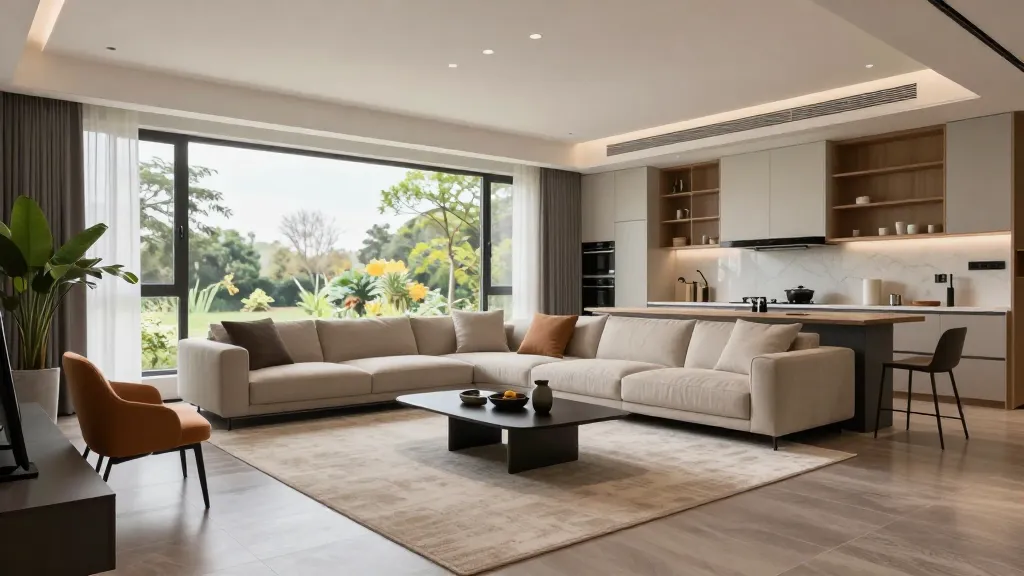
AI tools for 3D modeling and visualization are revolutionizing how interior designers present their ideas. Platforms like Lumion AI and Midjourney allow users to generate photorealistic 3D environments with minimal input, drastically reducing the time spent on manual rendering. These tools leverage machine learning to understand design intent, enabling designers to focus more on creative decisions rather than technical execution.
2. AI Software for Space Planning and Layout Optimization
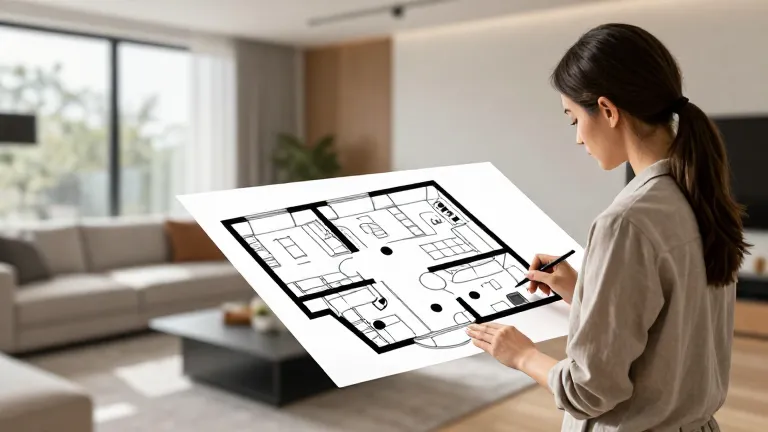
AI software for space planning and layout optimization is streamlining the design process by automating repetitive tasks. Tools like SpacePlanner AI and DesignAI Pro analyze spatial constraints and suggest optimal furniture arrangements, helping designers save hours on manual planning. These tools often integrate with CAD software and project management platforms, ensuring a smooth workflow from concept to final execution.
How AI Software Streamlines Design Workflows
AI software significantly streamlines design workflows by automating repetitive and time-consuming tasks. For instance, many AI tools can generate multiple material selections based on client preferences, budget constraints, and design themes. This eliminates the need for designers to manually research and compare options, allowing them to focus on creative decisions rather than administrative work. By leveraging AI-driven algorithms, designers can quickly explore a wide range of materials, textures, and finishes, ensuring that each choice aligns with the project’s aesthetic and functional requirements.
Lighting planning is another area where AI tools provide substantial efficiency. Traditional methods often require designers to spend hours adjusting light sources, intensity, and placement to achieve the desired ambiance. AI-powered platforms can simulate lighting scenarios in real time, offering instant feedback on how different configurations will look in the space. This automation reduces the number of manual adjustments needed, enabling designers to refine lighting plans faster and with greater accuracy. As a result, projects that once took days to finalize can now be completed in a fraction of the time.
Furniture placement is yet another task that benefits from AI integration. Many software solutions use machine learning to analyze spatial dimensions and suggest optimal furniture arrangements. These tools can automatically adjust layouts based on room size, traffic flow, and ergonomic considerations, minimizing the need for trial and error. By reducing the time spent on manual iterations, AI not only speeds up the design process but also improves the overall quality of the final layout. This efficiency allows designers to meet client deadlines more reliably and deliver more polished results.
Best Practices for Integrating AI Into Design Workflows
Selecting the right AI software begins with a clear understanding of your project's specific needs. Consider whether you require tools for 3D modeling, space planning, or client communication. Prioritize software that aligns with your workflow and offers scalability as your practice grows. Evaluate features like compatibility with existing design tools, ease of use, and the level of customization available.

- Define your project requirements before selecting AI software to ensure alignment with your workflow.
- Train AI tools with your design preferences and project data to improve their accuracy and relevance.
- Use AI for repetitive tasks while retaining manual control for creative and strategic decisions.
- Integrate AI outputs with traditional design tools to maintain a balance between automation and personalization.
- Regularly update AI training data to reflect new trends, client feedback, and design innovations.
Training AI tools with your design preferences and project data can significantly enhance their performance. Input a diverse range of past projects, including layout plans, material selections, and client feedback, to help the AI learn your unique style. Regularly update the training data to reflect evolving trends and client expectations, ensuring the AI adapts to your evolving practice.
Combining AI with traditional design tools can optimize efficiency without compromising creative control. Use AI for repetitive tasks such as generating multiple layout options or creating realistic visualizations, while relying on manual tools for fine-tuning and creative decision-making. Integrate AI outputs into your workflow as a starting point, allowing you to refine and personalize designs based on your expertise and client input.
Real-World Applications of AI in Interior Design
AI tools have become essential in real-world interior design projects, offering tangible improvements in efficiency and client satisfaction. For example, a mid-sized firm in New York used AI-driven 3D visualization software to reduce the time spent on client presentations by 40%. By generating realistic renderings in minutes, the firm was able to quickly iterate on design ideas and secure client approval faster. This not only cut down on project delays but also allowed designers to focus more on creative problem-solving.
In another case, a commercial design team in London integrated AI-powered space planning software into their workflow to optimize layouts for a high-rise office building. The tool analyzed spatial constraints, lighting conditions, and ergonomic factors to suggest layout options that improved workflow efficiency by 25%. This data-driven approach minimized trial-and-error, ensuring that the final design met both aesthetic and functional goals without requiring extensive manual adjustments.
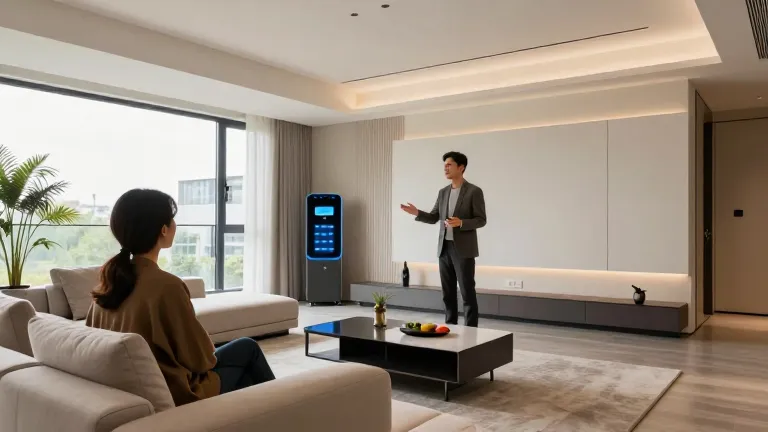
AI also plays a crucial role in client communication and project management. One design studio used an AI-powered collaboration platform to streamline feedback loops, allowing clients to visualize changes in real-time and provide input directly on digital models. This reduced miscommunication and sped up decision-making. Additionally, AI-assisted project management tools helped track deadlines, budget allocations, and resource usage, ensuring that projects stayed on schedule and within budget. These applications demonstrate how AI is transforming the way designers interact with clients and manage complex projects.
Choosing the Right AI Tool for Your Design Practice
Selecting the right AI software for your interior design practice requires careful consideration of your specific needs and workflow. Factors such as the size of your projects, the complexity of your tasks, and the level of automation you require should guide your decision. For instance, a small firm focusing on residential spaces may prioritize tools with intuitive space planning features, while larger firms handling commercial projects might benefit from advanced 3D modeling and collaboration capabilities. It's also essential to assess how well the software integrates with your existing tools and platforms to ensure a seamless workflow.
When evaluating AI tools, cost is a critical factor to consider. Some platforms offer freemium models with limited features, while others require subscription-based access or one-time purchases. Assess whether the investment aligns with the potential time savings and efficiency gains. Additionally, consider the level of customer support and training resources available, as these can significantly impact your ability to adopt and maximize the tool's benefits. A robust support system can be especially valuable for designers new to AI integration.
For residential designers, tools that excel in space optimization and mood board creation are often most effective. Commercial designers may find value in AI software that supports large-scale planning and real-time collaboration. Ultimately, the best choice depends on your project scale, client needs, and long-term goals. Testing different tools with sample projects can help identify which AI software offers the best balance of functionality, usability, and cost for your specific practice.
Frequently Asked Questions
Can AI software completely replace human designers in interior projects?
AI software cannot completely replace human designers in interior projects. While AI can automate tasks and generate ideas, it lacks the creativity, cultural understanding, and client-specific judgment that human designers bring to the table. AI is best used as a tool to enhance and support the designer's expertise rather than replace it.
How much time can AI save in the design workflow?
AI can save significant time in the design workflow by automating repetitive tasks such as space planning, material selection, and 3D visualization. Depending on the project's complexity, time savings can range from 10% to 50%, allowing designers to focus on more strategic and creative aspects of their work.
Are there AI tools that can generate 3D designs automatically?
Yes, several AI tools can generate 3D designs automatically. These tools use machine learning algorithms to create realistic 3D models based on simple inputs like room dimensions, style preferences, and material choices. They are particularly useful for quick visualizations and client presentations.
What are the costs associated with using AI for interior design?
The costs associated with using AI for interior design vary depending on the tool and its features. Some tools offer freemium models with limited functionality, while others require paid subscriptions or one-time purchases. Costs can range from a few dollars per month to several hundred dollars, depending on the level of automation and customization.
Next Steps for Designers
AI software is transforming the interior design industry by streamlining workflows, enhancing creativity, and improving client communication. Designers who integrate AI tools can expect greater efficiency and more competitive outcomes. To stay ahead, consider adopting AI tools that align with your practice and goals.
Start by evaluating your current workflow and identifying areas where AI can add the most value. Choose a tool that fits your needs and invest time in learning how to use it effectively. With the right approach, AI can become an essential part of your design process.