

In the fast-paced world of digital marketing, repetitive tasks like email campaigns, social media posting, and content scheduling can eat up valuable time. AI automation for repetitive marketing tasks offers a powerful solution to streamline these processes and free up your focus for more strategic work. By leveraging AI tools, marketers can reduce manual effort while maintaining consistency and efficiency. This article explores how AI can transform routine marketing activities, helping you save time without compromising quality.
We’ll start by examining why automating these tasks is essential, including the time costs of manual work and the benefits AI brings to marketing automation. Next, we’ll highlight the best AI tools for email campaigns, social media scheduling, and other common marketing functions. You’ll also find step-by-step guidance on setting up AI automation, along with real-world examples and best practices to ensure your campaigns remain effective and engaging.
Whether you’re a digital marketer, a small business owner, or a content creator, this guide will equip you with the knowledge to implement AI automation effectively. By understanding how to integrate these tools into your workflow, you can boost productivity, reduce burnout, and focus on what truly drives your marketing success.
Why Automate Repetitive Marketing Tasks with AI
Automating repetitive marketing tasks with AI is a strategic move for marketers seeking to optimise time and resources. By leveraging AI tools, professionals can streamline processes that traditionally demand significant manual effort, allowing them to focus on higher-value activities such as strategy development and creative ideation.

The Time Cost of Manual Marketing Tasks
Tasks such as email campaigns and social media posting often consume a large portion of a marketer's day. These activities require repetitive actions like drafting content, scheduling posts, and managing multiple platforms, which can be both time-intensive and mentally draining. As a result, marketers may find themselves spending hours on routine tasks, leaving little time for innovation or deeper audience engagement.
Benefits of AI in Marketing Automation
AI automation offers a solution by handling these repetitive tasks with speed and precision. AI-powered tools can draft emails, schedule social media posts, and even generate content based on predefined criteria, significantly reducing the time needed to complete these tasks. This efficiency not only saves hours but also ensures that marketing efforts are executed consistently, which is crucial for maintaining brand messaging and audience trust. Moreover, automation minimises the risk of human error, leading to more reliable and impactful marketing outcomes.
Top AI Tools for Automating Marketing Tasks
Selecting the right AI tools for marketing automation is crucial to streamlining workflows and enhancing productivity. Look for platforms that integrate with your existing marketing stack, such as CRMs and email platforms, to ensure seamless data flow and consistent performance. Prioritize tools with user-friendly interfaces and customizable workflows to maintain control over your campaigns while leveraging AI's capabilities.
- Email marketing automation platforms like Mailchimp and HubSpot offer advanced AI features such as predictive analytics and personalized content suggestions. These tools can help optimize open rates and engagement by analyzing user behavior and tailoring messages accordingly.
- Social media scheduling tools like Hootsuite and Buffer incorporate AI to suggest optimal posting times and content formats based on audience engagement patterns. These tools also support automated content curation, helping marketers stay consistent without manual effort.
- AI-powered content generation tools like Jasper and Copy.ai can streamline the creation of marketing copy, blog posts, and social media captions. These tools use natural language processing to generate high-quality content tailored to your brand voice and audience preferences.
- Integrative platforms like Zapier and Make.com allow for the automation of complex workflows by connecting various marketing tools. These platforms enable the creation of custom automation rules that can trigger actions across multiple channels, enhancing efficiency and reducing manual oversight.
Best AI Tools for Email Campaign Automation
Email campaign automation tools are essential for managing high-volume, repetitive tasks such as sending newsletters and follow-up emails. Platforms like Mailchimp and HubSpot provide AI-driven insights that help refine targeting and improve campaign performance. These tools also support personalized content delivery, making each email more relevant to the recipient.
AI Tools for Social Media Posting and Scheduling
Social media scheduling tools simplify the process of maintaining a consistent online presence. AI integration in platforms like Hootsuite and Buffer allows for real-time analytics and content optimization, ensuring that posts are timed for maximum engagement. These tools also offer automated content curation, helping marketers stay updated with trending topics and audience interests.
How to Set Up AI Automation for Marketing Tasks
Setting up AI automation for marketing tasks requires a structured approach that begins with understanding your workflow and ends with testing to ensure effectiveness.

- Identify repetitive tasks that consume significant time and resources.
- Select an AI tool that aligns with your specific marketing needs.
- Customize the tool's settings to match your brand's voice and workflow.
- Run a pilot test with a limited dataset to evaluate performance.
Step 1: Identify Repetitive Marketing Tasks
Begin by analyzing your daily marketing activities to pinpoint tasks that are time-consuming and repetitive. Examples include drafting email templates, scheduling social media posts, and generating content outlines. Once identified, prioritize tasks based on frequency and impact. This ensures that your automation efforts are focused on areas where they will provide the most value.
Step 2: Choose and Configure an AI Tool
After identifying tasks, choose an AI tool that supports automation in those areas. For example, use an email automation platform for campaign management or a content generator for social media posts. Configure the tool by integrating it with your existing systems, such as CRM or CMS, and set up workflows that reflect your brand's tone and messaging. This setup ensures the AI understands your requirements and can execute tasks efficiently.
Real-World Examples of AI Automation in Marketing
Real-world examples demonstrate how AI automation transforms marketing workflows by streamlining repetitive tasks and improving efficiency. Businesses across industries use AI tools to automate email campaigns and social media content, reducing manual effort and enhancing campaign performance.
Case Study: Automating Email Campaigns with AI
A small e-commerce brand used Mailchimp’s AI-powered email automation to reduce the time spent on campaign creation by 60%. The tool analyzed past engagement data to suggest personalized subject lines and content, resulting in a 25% increase in open rates. By automating segmentation and follow-up sequences, the team focused on strategy rather than repetitive drafting, improving overall productivity.
Case Study: AI-Driven Social Media Posting
A digital marketing agency leveraged Hootsuite’s AI scheduling to streamline social media posting across multiple platforms. The tool automatically optimized post times based on audience activity, reducing the need for manual time zone adjustments. This saved the team over 10 hours per week while increasing engagement by 18%. The AI also suggested content variations, helping maintain a fresh and dynamic feed without constant oversight.
Best Practices for AI Automation in Marketing
Effective AI automation in marketing requires a balance between efficiency and quality. While AI can streamline repetitive tasks, it's essential to implement best practices that ensure the results remain relevant, accurate, and aligned with your brand's goals.
Maintaining Quality in Automated Campaigns
Maintaining quality in automated campaigns involves regular audits and adjustments to your AI workflows. As your audience evolves and market trends shift, your automation tools must adapt to stay effective. Schedule periodic reviews of your AI-generated content, email templates, and social media posts to ensure they align with your brand voice and messaging. Manual checks by human team members can also help catch errors or inconsistencies that AI might miss.
Measuring the Impact of AI Automation
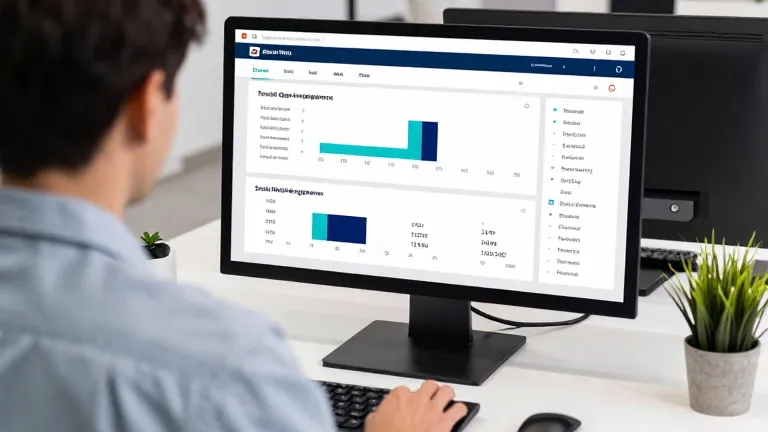
Measuring the impact of AI automation is crucial for assessing its value. Use performance metrics such as open rates, click-through rates, engagement levels, and conversion rates to evaluate how well your automated tasks are performing. Tools like Google Analytics, social media insights, and email marketing platforms can provide detailed reports that highlight what's working and what needs improvement. Regularly analyzing these metrics allows you to refine your strategies and maximize the return on your AI investment.
Frequently Asked Questions
What are the best AI tools for automating email marketing?
The best AI tools for automating email marketing include tools like Mailchimp, HubSpot, and Klaviyo. These platforms use AI to personalize content, segment audiences, and optimize send times for better engagement.
How can I integrate AI tools with my existing marketing platform?
To integrate AI tools with your existing marketing platform, look for tools that offer API connections or compatibility with your current CRM or email marketing software. This ensures seamless data flow and enhanced automation capabilities.
Is AI automation suitable for small businesses?
AI automation is suitable for small businesses as it offers cost-effective solutions to handle repetitive tasks. It allows small businesses to compete with larger companies by improving efficiency and personalization.
How do I measure the success of AI-driven marketing tasks?
To measure the success of AI-driven marketing tasks, track key metrics such as open rates, click-through rates, and conversion rates. Use analytics tools to monitor performance and refine strategies accordingly.
Next Steps in AI Automation
AI automation is a powerful tool for streamlining repetitive marketing tasks and boosting productivity. By leveraging AI, marketers can focus on strategy and creativity while automating routine activities.
To get started, identify the tasks that can be automated, select the right AI tools, and begin implementing them. This approach can significantly enhance your marketing efficiency and results.