

Remote teams face unique challenges in maintaining productivity and collaboration, often struggling with miscommunication, inefficient workflows, and time-consuming tasks. AI productivity tools for remote teams offer a transformative solution by automating routine processes, enhancing communication, and streamlining project management. These tools help bridge the gap between distributed members, ensuring seamless coordination and improved efficiency. Whether it’s managing meetings, tracking progress, or translating messages in real time, AI is reshaping how remote teams operate.
This article explores why AI productivity tools for remote teams are essential in today’s digital workplace. It highlights the most effective tools for communication, task management, and workflow automation, providing practical insights to help your team stay organized and focused. By leveraging AI, remote teams can reduce manual effort, minimize errors, and achieve greater output with less stress.
From smart task prioritization to real-time translation support, the right AI tools can significantly enhance collaboration and efficiency. We’ll guide you through selecting and integrating these tools into your workflow, ensuring your remote team stays productive and aligned. Whether you're just starting or looking to refine your approach, this article offers actionable strategies to maximize the impact of AI in your remote workspace.
Why AI Productivity Tools Matter for Remote Teams
Remote work has transformed the modern workplace, but it has also introduced new complexities in managing distributed teams. Traditional productivity tools often struggle to keep pace with the demands of remote collaboration, leading to inefficiencies, miscommunication, and burnout. AI productivity tools offer a solution by automating repetitive tasks, enhancing communication, and optimizing workflows to support remote teams effectively.
The Challenges of Remote Team Productivity
Remote teams face unique challenges in maintaining productivity and alignment. Without face-to-face interactions, communication can become fragmented, and task management can be overwhelming. Many teams rely on email and shared documents, which can lead to delays, information silos, and missed deadlines. The lack of real-time collaboration tools can further hinder transparency and accountability, making it difficult for team members to stay synchronized. Additionally, the absence of in-person oversight increases the risk of burnout, as individuals may struggle to balance workload and personal time without clear guidance.
How AI Can Bridge the Gap
AI productivity tools are designed to address these challenges by streamlining workflows and improving communication. For example, AI can automate routine tasks such as scheduling meetings, generating meeting notes, and prioritizing tasks based on urgency and impact. These tools also support real-time collaboration and translation, ensuring that all team members can contribute effectively regardless of location or language. By reducing the manual effort required for daily tasks, AI helps teams focus on strategic work, fostering a more engaged and productive remote workforce. The integration of AI into productivity tools ensures that remote teams remain aligned, transparent, and efficient, ultimately reducing burnout and improving overall performance.
Top AI Productivity Tools for Remote Teams
Selecting the best AI productivity tools for remote teams requires a clear focus on communication, task management, and automation. Prioritize tools that integrate seamlessly with existing platforms to ensure real-time collaboration and reduce friction. Ease of adoption and minimal learning curve are also critical to ensure all team members can benefit without disruption.
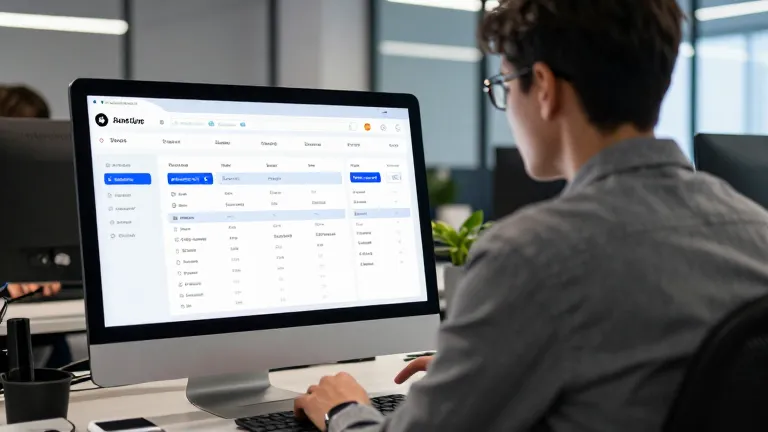
- Slack with AI integrations, such as AI-powered chatbots and message summarization, enhances communication by automating routine interactions and capturing key points from conversations.
- Microsoft Teams with AI features like smart scheduling, meeting insights, and real-time language translation supports cross-functional and global teams by breaking down language barriers and improving meeting efficiency.
- Asana or ClickUp with AI-driven task prioritization and automation workflows helps streamline project management by assigning tasks based on workload and deadlines, reducing manual oversight.
- Trello with AI-powered automation rules allows teams to set triggers for task updates, reminders, and status changes, ensuring tasks are always on track without constant monitoring.
Communication and Collaboration Tools
Communication and collaboration tools are essential for maintaining alignment and reducing delays in remote workflows. AI-powered platforms like Slack and Microsoft Teams offer features such as automated message tagging, sentiment analysis, and real-time translation, which enhance clarity and inclusivity across time zones and languages. These tools also support smart scheduling and meeting insights, helping teams stay on track without constant follow-ups.
Task Management and Workflow Automation
Task management and workflow automation tools are designed to reduce repetitive tasks and improve accountability. AI-driven platforms like Asana and ClickUp use machine learning to predict task priorities, assign work based on team availability, and generate progress reports automatically. These tools also support real-time tracking, ensuring that deadlines are met and that team members are aware of their responsibilities without needing constant reminders.
AI Tools for Streamlining Communication
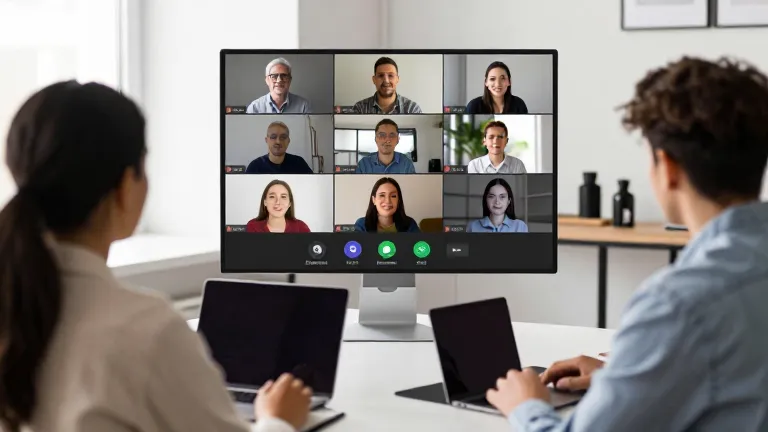
AI tools for streamlining communication are essential for remote teams aiming to enhance clarity and reduce delays in interactions. These solutions leverage advanced technologies like natural language processing and real-time translation to ensure seamless collaboration across diverse teams. Integration with video conferencing platforms further enhances their utility by enabling comprehensive communication management in a single interface.
AI-Powered Meeting Summaries
AI-powered meeting summaries are a game-changer for remote teams, offering concise records of discussions and action items. These tools use natural language processing to extract key points, assign tasks, and set deadlines, ensuring all participants stay aligned without the need for lengthy follow-up emails. By automating the summarization process, teams can save time and minimize the risk of miscommunication.
Real-Time Translation and Language Support
Real-time translation and language support are critical for remote teams operating in multilingual environments. AI-driven translation tools enable instant conversion of spoken and written language, breaking down language barriers and fostering inclusivity. This feature is especially valuable during global meetings, where participants may speak different languages. Integration with video conferencing platforms ensures that real-time translation is seamless and contextually accurate, enhancing the overall communication experience.
Automating Task Management with AI
Automating task management with AI significantly enhances productivity for remote teams by reducing manual effort and ensuring consistent deadline adherence. AI tools can analyze workload, suggest optimal task prioritization, and assign responsibilities based on team members' availability and expertise. This not only streamlines workflows but also minimizes delays and improves overall project outcomes.

Smart Task Prioritization and Assignment
Smart task prioritization and assignment leverage AI to assess the urgency and complexity of tasks, aligning them with team members' skills and current workloads. These tools use historical data and predictive analytics to recommend the most efficient task distribution, reducing the need for constant manual oversight. By automating this process, teams can focus on execution rather than planning, leading to faster project completion and higher morale.
Real-Time Progress Tracking and Alerts
Real-time progress tracking and alerts enable remote teams to maintain visibility into project status without constant check-ins. AI tools integrate with calendars and project management platforms to provide live updates on task completion, deadlines, and potential bottlenecks. Automated alerts notify team members of upcoming deadlines or missed milestones, ensuring timely action and preventing last-minute rushes. This level of transparency fosters accountability and keeps everyone aligned with project goals.
Choosing the Right AI Tool for Your Remote Team
Selecting the right AI productivity tool for your remote team requires careful evaluation and planning. A well-chosen tool can significantly enhance collaboration and efficiency, but the wrong choice can lead to confusion and wasted time. Before making a decision, it's essential to consider your team's unique workflows, pain points, and long-term goals.
Evaluating AI Tools for Your Team
Begin by assessing your team's specific needs and workflows. Identify which areas of your operations could benefit most from AI automation, such as task management, communication, or data analysis. Look for tools that offer features aligned with these priorities and have a proven track record in similar environments. Consider factors like scalability, integration with existing systems, and the ability to adapt to changing team dynamics.
Onboarding and Training Considerations
Once you've shortlisted potential tools, test them in a controlled, small-scale environment before full implementation. This allows your team to get familiar with the interface, identify any workflow bottlenecks, and provide feedback for improvement. Additionally, ensure the tool has a user-friendly interface and reliable customer support to minimize learning curves and address any technical issues promptly. A smooth onboarding process is critical to maximizing the tool's value and ensuring long-term adoption.
Frequently Asked Questions
What are the best AI tools for remote team communication?
The best AI tools for remote team communication include platforms like Slack and Microsoft Teams, which offer AI features such as smart message sorting, real-time translation, and meeting summaries to enhance collaboration.
How can AI help reduce burnout in remote work environments?
AI can help reduce burnout by automating routine tasks, providing personalized productivity insights, and offering tools that monitor workloads and suggest work-life balance strategies.
Are there AI tools that automatically schedule meetings and assign tasks?
Yes, AI tools like Monday.com and ClickUp offer automated scheduling and task assignment features, using AI to analyze team calendars and workload to optimize meeting times and task distribution.
Which AI tools integrate well with popular project management platforms?
AI tools such as Asana and Trello integrate well with popular project management platforms, offering features like AI-driven task prioritization, progress tracking, and real-time updates across platforms.
Next Steps for Remote Teams
AI productivity tools are essential for remote teams, offering solutions to common challenges like communication barriers, task management, and burnout. By leveraging these tools, teams can enhance collaboration and efficiency.
To maximize the benefits of AI tools, remote teams should evaluate their specific needs and ensure proper onboarding. Choosing the right tools can significantly improve workflow and productivity.