

In today’s fast-paced work environment, small business owners, freelancers, and professionals are constantly seeking ways to cut through the noise and work smarter—not harder. The rise of ai productivity assistant tools has opened new doors for automating repetitive tasks, streamlining workflows, and reclaiming valuable time. These tools are not just about efficiency; they’re about empowering individuals to focus on what truly matters: creativity, strategy, and growth. As the demand for smarter work habits increases, understanding how ai productivity assistant can fit into your daily routine is more important than ever.
This article explores the world of ai productivity assistant, from defining what they are to highlighting the best options available in 2025. We’ll break down how these tools can automate routine tasks, improve focus, and enhance overall work-life balance. Whether you’re managing a small business or working as a freelancer, the insights provided here can help you make informed decisions about integrating ai productivity assistant into your workflow.
We’ll also look ahead to the future of these tools, discussing emerging trends and how they might shape the next phase of work. By the end of this article, you’ll have a clear understanding of how ai productivity assistant can transform your productivity and help you stay ahead in a competitive landscape.
Understanding AI Productivity Assistants
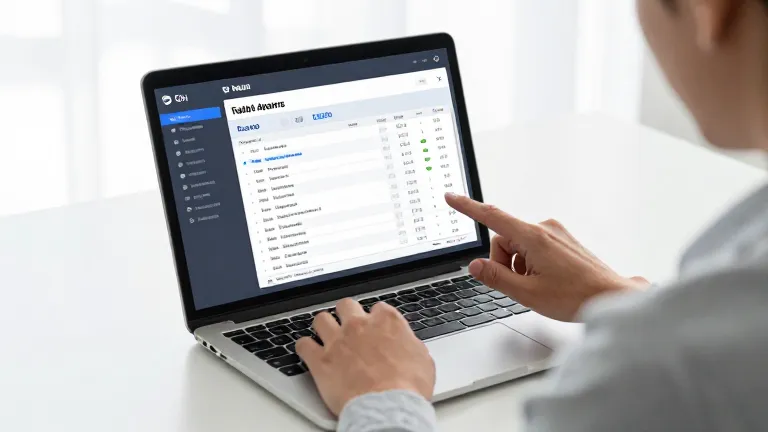
An AI productivity assistant is a digital tool designed to streamline workflows, reduce manual effort, and enhance focus by leveraging artificial intelligence. Unlike traditional productivity tools that rely on user input and predefined rules, AI assistants adapt to individual work patterns, learn from past interactions, and offer proactive support.
What Is an AI Productivity Assistant?
AI productivity assistants are intelligent systems that combine natural language processing, machine learning, and automation to assist with daily tasks. They go beyond basic task management by understanding context, prioritising actions, and even predicting user needs based on historical data. These assistants can be integrated into existing workflows, making them a seamless addition to both personal and professional environments.
Key Functions and Capabilities
The core functions of an AI productivity assistant include task automation, scheduling, and data organisation. These tools can automatically schedule meetings, set reminders, and manage to-do lists based on user preferences and calendar availability. They also help organise data by categorising information, extracting key insights, and generating summaries, which saves time and improves decision-making. Integration with other AI tools and platforms allows for a unified workflow, where tasks can be managed across multiple applications without manual intervention.
Top AI Productivity Assistants for Business Efficiency
Selecting the right AI productivity assistant depends on your business needs, workflow, and goals. Here are some of the most popular tools currently available, along with their features and use cases.
| Tool | Core Features | Use Cases | Strengths | Limitations |
|---|---|---|---|---|
| Microsoft To-Do | Task management, calendar integration, smart suggestions | Managing personal and team to-dos | Seamless Microsoft ecosystem integration | Limited automation capabilities |
| Todoist | Simple task tracking, priority tagging, project management | Personal task management and team collaboration | User-friendly interface | Limited integration with third-party apps |
| ClickUp | Task management, document collaboration, custom workflows | Project management and team collaboration | Highly customizable | Steep learning curve for new users |
| Notion | Note-taking, database creation, collaboration | Knowledge management and project planning | Flexible and versatile | Can become complex for large teams |
Best AI Productivity Assistants for 2025
Microsoft To-Do is ideal for users already embedded in the Microsoft Office suite. It offers smart suggestions and integrates well with other Microsoft tools, making it a good choice for small businesses looking for a streamlined workflow. However, its automation capabilities are limited, which may not suit more complex task management needs.
Comparing Core Features and Use Cases
The comparison table highlights how each tool caters to different business needs. Todoist excels in simplicity and ease of use, making it perfect for individuals or small teams. ClickUp, on the other hand, is suitable for larger teams requiring advanced project management features. Notion's flexibility makes it a go-to for businesses that need a one-stop solution for notes, databases, and collaboration. When choosing an AI productivity assistant, consider your workflow complexity, team size, and integration requirements.
How AI Productivity Assistants Improve Work Efficiency
AI productivity assistants significantly enhance work efficiency by automating routine tasks and optimising focus, allowing professionals and small business owners to prioritise high-value activities. These tools streamline workflows, reduce manual effort, and create a more balanced approach to work, ultimately leading to improved performance and satisfaction.

Automating Repetitive Tasks
Automation is a cornerstone of AI productivity assistants, enabling users to eliminate time-consuming tasks such as scheduling, data entry, and email sorting. For instance, an AI assistant can automatically organise calendar meetings, generate meeting notes, and even draft follow-up emails, freeing up hours each week. This shift not only accelerates task completion but also reduces the risk of human error, ensuring consistency and reliability in daily operations.
Enhancing Focus and Work-Life Balance
By taking over repetitive duties, AI productivity assistants empower users to focus on strategic thinking, creativity, and complex problem-solving. This shift fosters a better work-life balance, as individuals are no longer burdened by mundane responsibilities. For example, a freelance graphic designer using an AI tool to manage client communications and project timelines can dedicate more time to creative work and personal development. As a result, productivity improves, and burnout is mitigated, leading to a more sustainable and fulfilling professional life.
Setting Up an AI Productivity Assistant
Setting up an AI productivity assistant involves integrating the tool into your daily workflow, tailoring its functions to match your needs, and ensuring it evolves with your habits. A structured approach helps maximise efficiency while minimising the learning curve.
- Choose a platform that supports integration with your existing tools, such as email, calendar, or project management software.
- Start by defining your primary goals—whether it's automating emails, scheduling meetings, or managing tasks—to guide the setup process.
- Link your accounts and enable necessary permissions to allow the AI assistant to access relevant data and perform actions on your behalf.
- Test the tool with small, routine tasks to identify any gaps or areas for improvement before full integration.
Getting Started with Your AI Assistant
Getting started with an AI assistant requires selecting a platform that aligns with your workflow and integrating it with your existing tools. Begin by linking your email, calendar, and project management accounts to enable seamless data flow. Once connected, set up default tasks or triggers, such as sending meeting reminders or drafting emails, to ensure the assistant can act on your behalf. This initial setup creates a foundation for automation and personalisation.
Customising and Training the Tool
Customising and training your AI assistant involves refining its understanding of your work habits and preferences. Adjust settings such as response tone, preferred communication channels, and task prioritisation rules to align with your style. Over time, the AI learns from your interactions, improving its ability to predict and automate tasks. Regularly review its performance, update settings as needed, and provide feedback to enhance accuracy and relevance.
Future of AI Productivity Assistants
As AI technology continues to evolve, the future of productivity assistants promises even greater integration, intelligence, and adaptability. These tools are set to become more seamless in their integration with other software, offering deeper automation and more intuitive task execution.

Trends in AI Productivity Tools
One major trend is the increasing sophistication of AI in understanding context and executing complex tasks. Future assistants will likely use advanced natural language processing and machine learning to anticipate needs and make proactive suggestions, reducing the need for manual input. Integration with existing tools like calendars, project management platforms, and communication apps will also become more seamless, allowing for a unified workflow. This evolution will make AI productivity assistants not just helpful, but essential in managing the growing complexity of modern work.
Preparing for the Future of Work
To prepare for this shift, professionals and small business owners should start exploring AI productivity tools now. Familiarising oneself with these technologies can provide a competitive edge and help in adapting to future changes. As AI becomes more embedded in daily workflows, early adopters will benefit from improved efficiency, reduced workload, and better focus on strategic tasks. Embracing AI now can ensure long-term gains, making it easier to navigate the evolving landscape of work and productivity.
Frequently Asked Questions
What are the best AI productivity assistants for small businesses?
The best AI productivity assistants for small businesses are those that offer flexibility, scalability, and ease of use. Look for tools that integrate with common business software and provide features like task automation, time tracking, and team collaboration. Examples include tools that streamline workflows and help manage projects efficiently.
How can I integrate an AI productivity assistant with my existing tools?
Integrating an AI productivity assistant with your existing tools usually involves using APIs or built-in integration options. Most modern AI productivity assistants support popular platforms like email, calendars, and project management software. Check the tool's compatibility and follow the setup guide for seamless integration.
Do AI productivity assistants require technical expertise to use?
Most AI productivity assistants are designed with user-friendly interfaces and minimal technical requirements. They often offer guided setup and intuitive controls. However, some advanced features may require basic technical knowledge, but many tools provide support and training resources to help users get started.
What are the most common challenges when using AI productivity assistants?
Common challenges include initial setup time, adapting to new workflows, and ensuring data privacy. Some users may also face issues with integration or find the learning curve steep. Choosing a tool with strong support and clear documentation can help overcome these challenges.
Next Steps for Maximising Productivity
AI productivity assistants offer significant benefits for streamlining workflows and improving efficiency. They automate repetitive tasks and help manage time more effectively. Choosing the right tool can greatly enhance your work performance.
To start using an AI productivity assistant, evaluate your needs, select a tool that fits your workflow, and begin integrating it with your existing systems. With the right approach, you can unlock new levels of productivity and focus.