

Managing projects and tasks manually can be time-consuming, especially for small business owners, digital marketers, freelancers, and content creators. Repetitive tasks like scheduling, tracking progress, and updating timelines can eat into valuable time that could be spent on core work. That’s where ai tools for project management and task automation come in, offering smarter ways to streamline workflows and boost efficiency. These tools leverage artificial intelligence to handle routine tasks, allowing teams to focus on strategy and creativity. In this article, we’ll explore how AI is transforming project management, highlight top tools for automation, and guide you through selecting and implementing the right solution for your needs.
Why AI Tools Are Transforming Project Management
AI tools are revolutionizing project management by introducing smarter ways to handle task prioritization, automate updates, and streamline repetitive administrative tasks. These tools not only help reduce manual effort but also provide predictive insights that can identify potential risks and suggest improvements in real time. As a result, small business owners, digital marketers, freelancers, and content creators can significantly boost their efficiency and focus on more strategic work.

The Role of AI in Task Automation
AI tools offer smarter task prioritization by analyzing data to identify which tasks require immediate attention and which can be deferred. This capability ensures that teams focus on high-impact activities, improving overall productivity. Automated updates further enhance this by providing real-time progress tracking, reducing the need for manual status checks and keeping everyone informed without extra effort.
How AI Enhances Team Collaboration
Beyond task management, AI tools enhance team collaboration by providing insights and recommendations based on historical data and current project trends. These tools can suggest optimal workflows, identify bottlenecks, and even predict potential delays, allowing teams to make proactive decisions. By integrating AI into project management, teams can improve communication, reduce errors, and align their efforts more effectively toward common goals.
Top AI Tools for Project Management and Task Automation
Selecting the right AI tool for project management and task automation depends on your team's specific needs, workflow, and integration requirements. The most popular tools offer a range of features from task automation to real-time updates and seamless collaboration. Here's a comparison of the top AI tools in this space.
| Tool | Key Features | Task Automation | Real-Time Updates | Team Collaboration | Integration with PM Systems |
|---|---|---|---|---|---|
| Asana + AI | Smart scheduling, predictive task prioritization | Automated task delegation | Live status tracking | Shared boards and comments | Seamless with Google Workspace, Slack |
| Trello + AI | Smart lists, AI-powered card suggestions | Automated checklist completion | Instant card updates | Collaborative boards | Integrates with Zapier, Google Drive |
| ClickUp | AI-powered task prediction, smart filters | Automated subtask creation | Real-time progress tracking | Team chat and file sharing | Syncs with Google Workspace, Notion |
| Monday.com | AI-driven workload analysis, smart scheduling | Automated task assignments | Live progress updates | Team dashboards and comments | Integrates with Salesforce, HubSpot |
Best AI Project Management Tools
Asana + AI and Trello + AI are popular choices for teams seeking intuitive interfaces and smart automation. Asana’s integration with Google Workspace and Slack makes it ideal for remote teams, while Trello + AI’s compatibility with Zapier and Google Drive suits those who need flexible automation. Both tools offer real-time updates and strong collaboration features, but their integration capabilities differ based on your existing workflows.
AI Task Automation Software Reviews
ClickUp and Monday.com stand out for their advanced AI capabilities and robust integration options. ClickUp’s AI-powered filters and smart task prediction help streamline project planning, while Monday.com’s workload analysis and smart scheduling optimize team performance. Both platforms integrate well with major project management systems, making them suitable for businesses looking to unify their tools. However, the choice between them often depends on the level of customization and automation required for your specific tasks.
How to Choose the Right AI Tool for Your Workflow
Selecting the right AI tool for project management and task automation requires careful consideration of your team's unique needs. Whether you're a small business owner or a freelancer, aligning the tool's capabilities with your workflow ensures maximum efficiency and minimal disruption.
Key Features to Look For
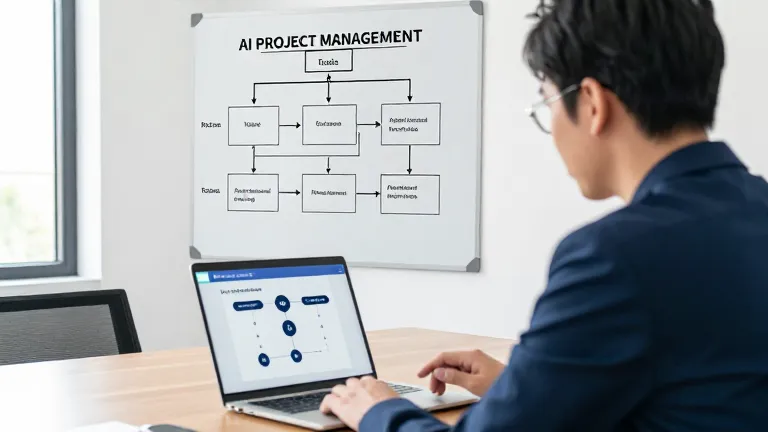
Key Features to Look For should align with your project management goals. Prioritize tools that offer task automation, real-time collaboration, and customizable workflows. Look for AI-driven analytics to track progress and predict potential bottlenecks. Tools that support multiple project types, such as marketing campaigns or content creation, can provide greater flexibility.
Evaluating Integration and Compatibility
Evaluating Integration and Compatibility is crucial for seamless adoption. Ensure the AI tool can connect with your existing platforms, such as email clients, calendars, or communication apps. Compatibility with cloud services and third-party applications enhances productivity by eliminating the need for manual data entry. Additionally, check for API support and data synchronization features to maintain consistency across your tools.
Real-World Examples of AI in Task Automation
Real-world examples demonstrate how AI tools are revolutionizing task automation by streamlining workflows and reducing manual effort. From automating status updates to scheduling meetings, AI-driven solutions are helping businesses improve efficiency and accuracy across various industries.
Case Studies: AI in Action
A digital marketing agency adopted an AI project management tool to automate routine tasks such as status updates and deadline tracking. By integrating AI into their workflow, the team reduced time spent on administrative tasks by 30%, allowing more focus on creative strategy. The AI tool also provided real-time insights into project progress, ensuring that deadlines were met consistently without manual oversight.
How AI Reduces Manual Workload
AI tools are particularly effective in minimizing human error in repetitive tasks such as data entry and scheduling. A content creation team used AI to automate meeting scheduling and task assignment, which cut down on scheduling conflicts and miscommunication. The AI system learned from past interactions to suggest optimal meeting times and automatically assigned tasks based on team members’ availability and expertise, significantly improving workflow accuracy and productivity.
Implementing AI Tools in Your Team Workflow
Integrating AI tools into your team workflow requires careful planning and execution to ensure they enhance productivity without disrupting existing processes.

- Identify specific tasks that can benefit from automation.
- Select an AI tool that aligns with your team's needs and workflow.
- Start with a small pilot project to test the tool's effectiveness.
- Train your team through workshops or tutorials to build confidence.
- Monitor performance regularly and gather feedback for improvements.
Step-by-Step Integration Guide
Begin by identifying repetitive or time-consuming tasks that can be automated, such as scheduling, data entry, or status tracking. Once you've pinpointed these areas, research AI tools that offer relevant automation features. Choose a solution that integrates with your existing project management software to avoid unnecessary complexity. Starting with a small pilot project allows you to evaluate the tool's impact and make adjustments before full-scale implementation.
Tips for Successful AI Adoption
Training your team is essential for successful AI adoption. Conduct workshops or provide on-demand tutorials to help them understand the tool's capabilities and how to use it effectively. Encourage questions and offer ongoing support to address any concerns. Recognize and celebrate early wins to build enthusiasm and foster a culture of innovation. Regularly check in with your team to gather insights and refine how the AI tool fits into their workflow.
Frequently Asked Questions
How do AI tools help with task tracking in project management?
AI tools help with task tracking by automatically assigning tasks, setting priorities, and providing real-time updates. They also analyze data to predict potential delays and suggest corrective actions, making project management more efficient.
Can AI tools integrate with existing project management software?
Yes, many AI tools offer integration with popular project management software like Asana, Trello, and Jira. This allows teams to streamline workflows and maintain consistency across platforms.
What are the most common challenges when implementing AI in workflows?
Common challenges include resistance to change, data quality issues, and the need for training. Teams must also ensure that AI tools align with their specific workflow needs and goals.
Are there any free AI tools for small teams?
Yes, some AI tools offer free versions or trial periods for small teams. These tools often provide essential features such as task automation, team collaboration, and basic analytics.
Next Steps in AI-Driven Project Management
AI tools are revolutionizing project management by automating tasks, improving collaboration, and reducing manual effort. Choosing the right tool depends on your team's needs and workflow.
Start by identifying your project management challenges and researching tools that align with your goals. Begin with a free trial to test the tool's effectiveness before committing.