

Email open rates are a critical metric for email marketing success, yet many marketers struggle to craft subject lines that stand out in crowded inboxes. With the rise of AI, how to use AI for email subject line optimization has become a game-changer. AI tools analyze vast amounts of data to predict what resonates best with your audience, helping you create more engaging and effective subject lines. This article explores why AI is the best tool for this task and how to leverage it for better results.
We’ll guide you through selecting the right AI tool, preparing your data, and testing subject lines for maximum impact. Whether you're a digital marketer, small business owner, or content creator, these strategies can help boost your email open rates and conversions.
Real-world examples from e-commerce and SaaS industries will show how AI improves performance across different sectors. Finally, we’ll share best practices to ensure you’re using AI effectively and avoiding common pitfalls. By the end, you’ll have a clear roadmap to enhance your email marketing strategy with AI.
Why AI Is the Best Tool for Email Subject Line Optimization
AI has revolutionized email marketing by enabling precise, data-driven strategies that significantly boost open rates. Unlike traditional methods, AI leverages vast datasets to predict audience preferences and refine subject lines with unmatched accuracy. This section explores how AI’s ability to personalize and streamline the optimization process makes it the most effective tool available.
The Power of Data-Driven Personalization
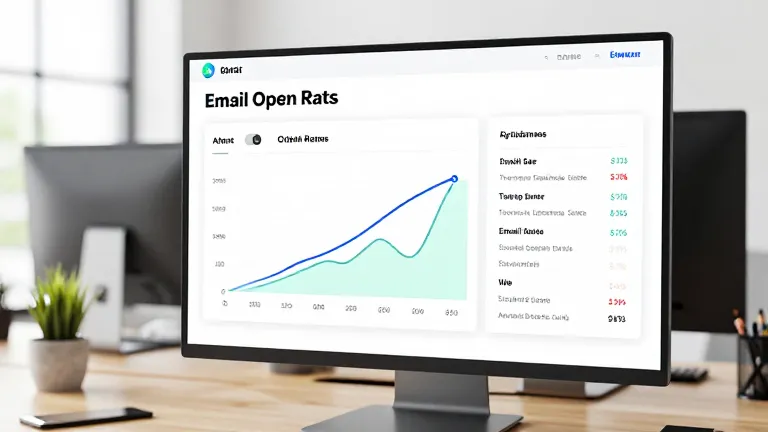
AI excels at analyzing large volumes of user data, including past interactions, click-through rates, and demographic details, to identify patterns that human marketers might miss. By understanding these patterns, AI can predict which subject lines are more likely to resonate with different segments of your audience, allowing for hyper-personalized messaging that drives higher engagement. This level of personalization is crucial in an environment where inbox fatigue is common, and generic subject lines often go unnoticed.
How AI Saves Time and Increases Efficiency
One of the major advantages of AI is its ability to test multiple subject line variations simultaneously, eliminating the need for time-consuming A/B testing processes. AI tools can run hundreds of tests in real-time, learning from each interaction to refine and optimize subject lines continuously. This not only saves significant time but also ensures that your messaging remains relevant and effective, adapting to evolving audience behavior and market trends without manual intervention.
How to Choose the Right AI Tool for Email Subject Line Optimization
Selecting the right AI tool for email subject line optimization is crucial for achieving measurable results. A well-chosen tool should align with your business needs, workflow, and goals, offering the right balance of automation, customization, and performance tracking.
- Look for tools that offer A/B testing and analytics to track performance.
- Consider whether the tool integrates with your existing email marketing platform.
- Check for customization options so you can tailor subject lines to your brand voice.
- Ensure the tool provides insights on audience behavior and trends.
Key Features to Look for in an AI Email Tool
When evaluating AI tools, prioritize those that provide A/B testing capabilities. These tools allow you to test multiple subject lines simultaneously and analyze which ones generate higher open rates. Analytics features are equally important, as they offer insights into what resonates with your audience, helping you refine your strategy over time.
Top AI Email Tools to Consider
Integration with your existing email marketing platform is a critical factor. A tool that seamlessly connects with platforms like Mailchimp, SendGrid, or Klaviyo ensures a smooth workflow and reduces manual data entry. Customization options are also essential, as they let you maintain your brand’s voice and tone. A tool that allows for personalization at scale can help you create subject lines that feel tailored to each recipient.
Step-by-Step Guide to Using AI for Email Subject Line Optimization
Using AI for email subject line optimization involves a structured process that begins with data preparation and ends with continuous refinement based on performance insights. The key is to align your input with your goals and test iteratively to maximize open rates.

Preparing Your Data for AI Optimization
Before leveraging AI, ensure your data is clean, relevant, and segmented. This includes customer demographics, past engagement metrics, and campaign objectives. AI tools rely on this information to generate subject lines that resonate with your audience. For instance, including details like customer preferences or past purchase behavior can lead to more personalized and effective subject lines.
Testing and Refining Your Subject Lines
Once your data is ready, use the AI tool to generate multiple subject line options tailored to your campaign goals. Most platforms allow customization based on tone, length, and call-to-action. After generating options, conduct A/B testing to determine which subject lines perform best. Track metrics like open rates, click-through rates, and conversion rates to refine your strategy. Regularly reviewing and updating your subject lines based on these insights ensures ongoing improvement and better engagement.
Real-World Examples of AI-Optimized Email Subject Lines
Real-world examples demonstrate how AI can transform generic email subject lines into personalized, engaging messages that drive higher open rates. By analyzing vast amounts of data, AI tools generate subject lines tailored to individual recipients, making emails feel more relevant and compelling. These examples span multiple industries, showcasing the versatility and effectiveness of AI in email marketing.
Examples From E-commerce and SaaS
In e-commerce, AI-generated subject lines often incorporate personalization elements like customer names and purchase history. For instance, instead of a generic 'New Arrivals,' an AI tool might suggest 'Hi [Name], Your Favorite Product is Back in Stock!' This level of personalization increases the likelihood of engagement. Similarly, SaaS companies use AI to create subject lines like 'Your Team’s Productivity Increased by 30% – [Name]’ which leverages performance data to highlight value. These examples show how AI can make emails feel more targeted and meaningful to recipients.
How AI Improves Open Rates Across Industries
Across industries, AI improves open rates by testing multiple variations of subject lines and identifying what resonates best with different audience segments. For example, in the nonprofit sector, AI might generate subject lines like 'Join [Name] in Making a Difference Today!' which feels more inviting than a standard 'Help Us Make an Impact.' In B2B marketing, AI could suggest 'Your Account Manager Has a Message for You – [Name]' which feels more urgent and personalized. These examples illustrate how AI adapts to various industries, delivering subject lines that are both effective and relevant.
Best Practices for Using AI in Email Subject Line Optimization
To get the most out of AI in email subject line optimization, it's essential to use it strategically while maintaining your brand's identity and goals. AI is a powerful tool, but it should complement—not replace—your marketing strategy and brand voice. By following best practices, you can ensure that AI recommendations align with your audience's expectations and business objectives.
- Use AI as a tool, not a replacement for your brand voice and strategy.
- Regularly update your audience data to keep AI recommendations accurate.
- Monitor performance metrics to refine your approach over time.
- Combine AI insights with human creativity to craft compelling subject lines.
Tips for Maximizing AI Effectiveness
AI can generate subject lines based on historical data and trends, but it's crucial to ensure these suggestions align with your brand's voice and messaging. For instance, a casual tone might work well for a lifestyle brand, while a formal tone is more appropriate for a financial institution. By reviewing AI-generated options through the lens of your brand strategy, you can maintain consistency and authenticity in your communications.
Leverage AI's ability to analyze vast datasets, but don't rely solely on automated suggestions. Human oversight is necessary to filter out irrelevant or misleading recommendations. For example, an AI might suggest a subject line that performs well statistically but doesn't resonate with your audience's values or preferences. Balancing AI insights with human judgment ensures your subject lines are both data-driven and emotionally engaging.
Avoiding Common Pitfalls in AI Optimization
One common pitfall is failing to update audience data regularly, which can lead to outdated or irrelevant subject line suggestions. Email preferences and behaviors change over time, so ensuring your AI tool has access to the latest engagement metrics, segmentation details, and customer feedback is critical. Regular updates help AI adapt to evolving trends and deliver more accurate recommendations.
Another pitfall is over-reliance on AI without analyzing performance metrics. While AI can suggest subject lines, it's up to you to track which ones actually work. Use open rates, click-through rates, and A/B test results to refine your strategy. AI can assist in this process, but continuous analysis and adjustment are necessary to maximize the effectiveness of your email campaigns.
Frequently Asked Questions
What are the best AI tools for optimizing email subject lines?
Several AI tools are designed to optimize email subject lines, such as Mailchimp, Persado, and ConvertKit. These tools use machine learning to analyze data and generate subject lines that resonate with your audience. When choosing, consider features like personalization, A/B testing, and integration with your email marketing platform.
Can AI really improve email open rates?
Yes, AI can improve email open rates by analyzing vast amounts of data to predict what subject lines will engage your audience. These tools focus on personalization, tone, and timing to increase the likelihood of a recipient opening your email.
How do I know which AI-generated subject line is best?
To determine the best AI-generated subject line, run A/B tests with different variations and track metrics like open rates and click-through rates. Use the data to identify which subject lines perform best for your audience.
Is AI email subject line optimization worth the investment?
AI email subject line optimization can be a worthwhile investment, especially if you're looking to improve engagement and conversions. The tools save time, offer insights, and help you create more effective campaigns, leading to better results over time.
Next Steps for Email Optimization
AI is a powerful tool for optimizing email subject lines, offering data-driven insights and personalization to boost engagement. By choosing the right AI tool and following best practices, you can significantly improve your email campaign performance.
To get started, evaluate your current email strategy and consider integrating an AI tool that aligns with your goals. Test different subject lines and refine your approach to maximize results.