
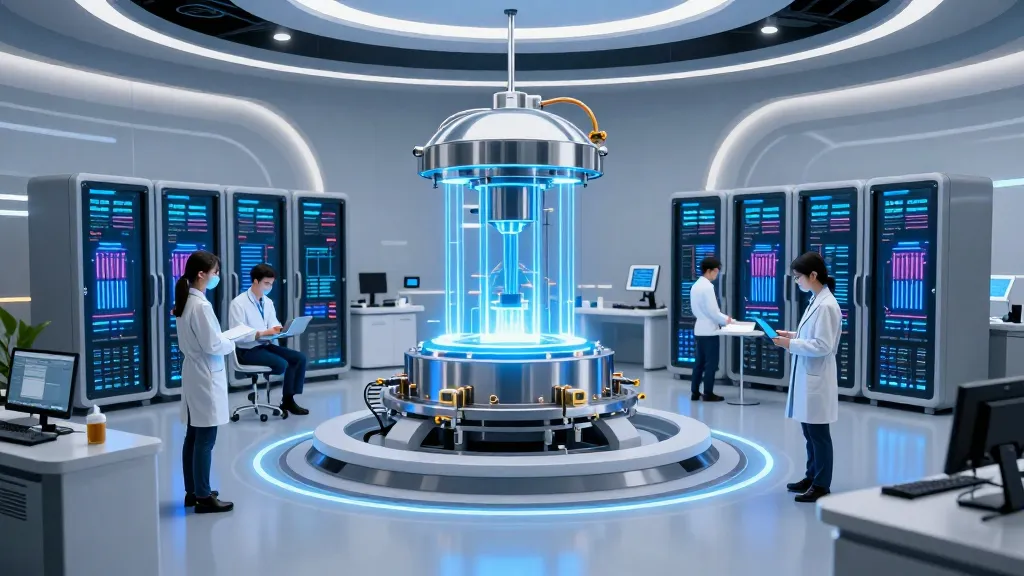
Daniel Ek, the founder of Spotify, is making waves in the energy sector by backing Europa Fusion, an AI-driven fusion power startup. This move highlights a growing trend where AI is being leveraged to tackle some of the world’s most complex challenges, including sustainable energy. As Daniel Ek AI startup continues to shape the future of technology, the intersection of AI and fusion energy is gaining momentum. The potential of AI to revolutionize energy development is not just theoretical—it's becoming a reality through innovative startups like Europa Fusion.
Europa Fusion, led by Nantas Nardelli, a former researcher at DeepMind and Pacific Fusion, is redefining the approach to fusion power. Instead of relying heavily on physical hardware, the startup is focusing on simulation and data-driven methods, a shift that could significantly reduce costs and accelerate progress. This new model is attracting attention from investors and industry experts alike, signaling a potential paradigm shift in energy innovation.
For small business owners, digital marketers, and content creators, the implications of this AI-driven energy revolution are far-reaching. As AI continues to evolve, its role in energy efficiency and automation will become increasingly critical. Understanding how Daniel Ek AI startup is reshaping the energy landscape can provide valuable insights for those looking to integrate AI into their strategies and stay ahead in a rapidly changing world.
Daniel Ek's Investment in Europa Fusion
Spotify founder Daniel Ek has backed Europa Fusion, a UK-based startup led by AI researcher Nantas Nardelli. The company is focused on developing fusion power using AI-driven simulation methods rather than physical hardware, marking a significant shift in the approach to fusion energy research.

The Role of AI in Fusion Energy Development
AI is playing a pivotal role in advancing fusion energy development by enabling more efficient and accurate simulations. Traditional methods often rely heavily on physical hardware, which is costly and time-consuming. Europa Fusion aims to change this by leveraging AI to create detailed virtual models that can predict and optimize fusion reactions without the need for extensive physical testing.
Nardelli's Background and Expertise
Nardelli brings a wealth of experience from leading AI research institutions, including Google DeepMind, Facebook AI Research, and Microsoft Research Cambridge. His background in machine learning has equipped him with the skills to apply AI techniques to complex scientific problems. Previously, he was head of machine learning at Pacific Fusion, another fusion startup, where he contributed to advancing simulation-based approaches.
Why AI Is Changing the Fusion Power Landscape
AI is revolutionizing the fusion power landscape by shifting the focus from traditional hardware-based approaches to simulation-driven innovation. This change is particularly evident in startups like Europa Fusion, which leverages AI to optimize energy processes without relying heavily on physical reactors.
AI-Driven Simulation Over Hardware
Traditional fusion startups often prioritize building physical reactors, which requires significant investment in hardware and infrastructure. In contrast, Europa Fusion uses AI to simulate and optimize energy processes, allowing for rapid iteration and refinement without the need for costly physical prototypes. This simulation-driven approach enables researchers to test various scenarios, predict outcomes, and improve designs in a virtual environment, significantly reducing the time and resources required for experimentation.
Cost and Time Efficiency in Fusion Research
The integration of AI into fusion research not only accelerates development but also lowers the financial burden associated with physical experimentation. By relying on data-driven decisions and predictive models, startups like Europa Fusion can minimize the reliance on expensive hardware, making the research process more cost-effective. This shift allows for more efficient resource allocation and opens up opportunities for smaller teams and startups to contribute meaningfully to the field. As a result, the development of viable fusion energy solutions could become faster and more accessible, paving the way for a new era in energy innovation.
How Fusion Power Could Impact AI Development
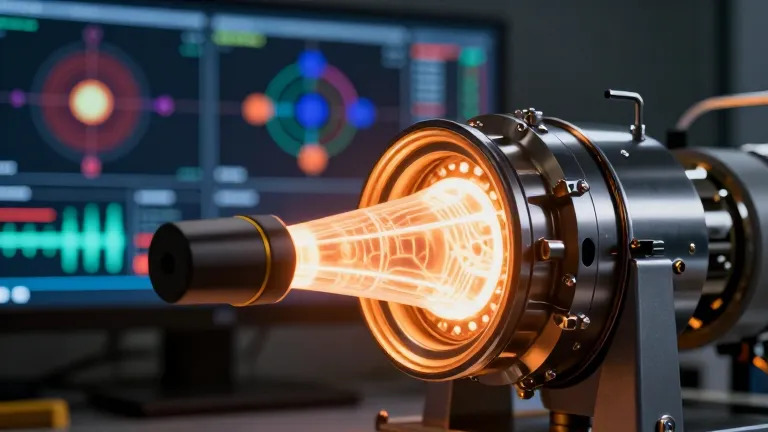
Fusion power has the potential to revolutionize AI development by providing an almost limitless and sustainable energy source. This could significantly reduce the environmental footprint of AI operations and enable the expansion of large-scale AI systems.
Energy for AI Growth and Sustainability
The availability of fusion power could dramatically lower the cost of energy for AI training and data centers. Traditional energy sources are not only expensive but also contribute to carbon emissions. With fusion, AI systems can be powered without the environmental impact, making large-scale AI development more sustainable and economically viable.
This shift to fusion energy could also enhance the scalability of AI applications. As data centers require massive amounts of energy to operate, fusion could provide the necessary power to support more complex AI models and larger datasets. This could lead to breakthroughs in areas like natural language processing, computer vision, and machine learning.
AI and Energy Synergy
The synergy between AI and energy innovation could drive new advancements in automation and efficiency. AI can optimize energy usage in real-time, while fusion power provides the consistent and scalable energy needed to sustain these systems. This collaboration could lead to more efficient industrial processes and smarter energy grids.
As AI continues to evolve, the integration of fusion power could enable new levels of automation across various industries. From smart cities to manufacturing, the combination of AI and sustainable energy could transform how businesses operate, making them more efficient and environmentally responsible.
The Future of AI in Energy and Automation
The integration of AI into energy systems is poised to redefine how we generate, distribute, and consume power, setting the stage for a new era of automation and efficiency. Europa Fusion's approach, which leverages AI to optimize fusion research, underscores the transformative potential of machine learning in tackling some of the most complex challenges in energy production. As AI continues to evolve, its ability to process vast amounts of data, predict system behavior, and optimize resource allocation is likely to drive innovation across multiple sectors, from renewable energy to industrial automation.
AI as a Catalyst for Energy Innovation
AI is emerging as a powerful catalyst for energy innovation, offering solutions that were once considered unattainable. By enabling more accurate simulations and predictive analytics, AI can accelerate the development of new energy technologies, such as fusion power, while also improving the efficiency of existing systems. This shift not only reduces the time and cost associated with research and development but also opens the door for more scalable and sustainable energy solutions that align with global decarbonization goals.
Implications for Business and Automation
For businesses, the integration of AI with energy systems presents significant opportunities for operational efficiency and cost reduction. AI-driven automation can streamline energy consumption patterns, optimize grid management, and reduce waste, leading to long-term savings. Moreover, as AI becomes more embedded in energy infrastructure, it can enable smarter, more responsive systems that adapt to real-time demands, fostering a new wave of innovation in both energy and automation sectors.
Practical Takeaways for AI Users and Entrepreneurs
For small business owners, digital marketers, and content creators, the rise of AI in energy and automation offers more than just efficiency—it presents a transformative opportunity to innovate and lead in emerging markets. As investors like Daniel Ek recognize the potential of AI to revolutionize energy production, it’s essential to understand how these technologies can be integrated into your business strategy to drive growth and sustainability.

How to Leverage AI for Energy Efficiency
Leveraging AI for energy efficiency involves identifying areas within your operations where automation and predictive analytics can reduce costs and improve performance. Whether it's optimizing supply chains, managing energy consumption, or streamlining production processes, AI tools can provide actionable insights that lead to measurable savings. By adopting AI-driven solutions, businesses can not only cut operational costs but also contribute to environmental sustainability, aligning with growing consumer demand for eco-friendly practices.
AI and Business Strategy for Innovation
Integrating AI into business strategy requires a forward-thinking approach that prioritizes innovation and adaptability. As AI reshapes industries, including energy and automation, businesses must explore how these technologies can enhance productivity, reduce waste, and unlock new revenue streams. For content creators and marketers, AI can help automate repetitive tasks, allowing more time for creative strategies and audience engagement. By staying ahead of the curve and embracing AI as a core component of your business model, you position yourself to thrive in an increasingly tech-driven marketplace.
Frequently Asked Questions
What is Europa Fusion and how is it different from other fusion startups?
Europa Fusion is a UK-based fusion power startup led by AI researcher Nantas Nardelli. Unlike many fusion startups that focus on physical hardware, Europa Fusion emphasizes simulation and data-driven approaches, leveraging AI to optimize fusion processes.
How can AI improve fusion power development?
AI can enhance fusion power development by enabling more accurate simulations, optimizing reactor designs, and accelerating data analysis, reducing reliance on costly physical experiments and improving efficiency.
What are the potential benefits of AI-driven energy innovation for businesses?
AI-driven energy innovation can lead to more efficient energy production, reduced costs, and sustainable solutions. This can help businesses reduce operational expenses, improve sustainability, and stay competitive in a rapidly evolving market.
How can entrepreneurs apply AI to solve real-world challenges like energy production?
Entrepreneurs can apply AI to energy production by developing innovative solutions that optimize resource usage, enhance energy efficiency, and improve sustainability, creating new opportunities and value in the energy sector.
The Future of AI and Energy Innovation
Daniel Ek's investment in Europa Fusion highlights the growing intersection of AI and energy innovation. This fusion of technologies has the potential to revolutionize energy production and create new opportunities for businesses and entrepreneurs.
To stay ahead, AI users and entrepreneurs should explore ways to integrate AI into energy solutions, focusing on efficiency and sustainability. By leveraging AI, they can drive innovation and contribute to a more sustainable future.