

In today’s fast-paced digital world, small business owners, digital marketers, and content creators are constantly seeking ways to gain a competitive edge on social media. How to use AI for social media analytics has become a key strategy to unlock deeper audience insights and refine content performance. Traditional analytics tools often fall short in providing real-time, actionable data, making AI an essential tool for smarter decision-making. By leveraging AI, you can transform raw data into meaningful trends and predictions that drive better engagement and growth.
This guide walks you through the practical steps of integrating AI into your social media strategy. From understanding AI’s unique capabilities to selecting the best tools for your needs, we cover everything you need to start analyzing your social media performance effectively. Whether you’re looking to boost engagement or refine your content calendar, AI offers powerful insights that can help you stay ahead of the curve.
We’ll explore how to set up AI for performance tracking, interpret the insights it generates, and use them to optimize your content strategy. With the right approach, how to use AI for social media analytics can become a game-changer for your online presence, helping you deliver more relevant content and build stronger connections with your audience.
Understanding the Role of AI in Social Media Analytics
AI is revolutionizing the way small businesses and marketers approach social media analytics by offering advanced capabilities that go beyond basic metrics. With the right tools, AI can streamline data collection, uncover hidden patterns, and deliver actionable insights to help refine content and audience strategies.

What AI Can Do for Your Social Media Strategy
AI tools can automate data collection and analysis across multiple platforms, saving time and reducing manual effort. These systems can gather data from platforms like Facebook, Instagram, Twitter, and LinkedIn, compiling metrics such as engagement rates, follower growth, and click-through rates. By processing this data in real time, AI enables businesses to monitor performance continuously and make data-driven decisions quickly.
How AI Differs From Traditional Analytics Tools
Beyond automation, AI can identify trends, sentiment, and engagement patterns that are difficult to detect manually. It uses natural language processing and machine learning to analyze comments, messages, and posts, helping brands understand audience preferences and emotional responses. This level of insight allows for more targeted content creation and improved audience engagement strategies.
AI provides actionable insights that help refine content strategy and audience targeting. Instead of relying solely on raw data, AI can highlight what content resonates most with specific demographics, recommend optimal posting times, and suggest adjustments to improve performance. This capability ensures that marketing efforts are more efficient and aligned with audience expectations.
Choosing the Right AI Tools for Social Media Analytics
Selecting the right AI tools for social media analytics is crucial for maximizing insights and improving your online presence. A good tool should integrate seamlessly with your main platforms, offer advanced features like sentiment analysis, and provide actionable recommendations to streamline your strategy.
- Hootsuite Insights
- Sprout Social
- Brandwatch
- Talkwalker
Top AI Tools for Social Media Analytics
Hootsuite Insights, Sprout Social, Brandwatch, and Talkwalker are among the top AI tools for social media analytics. These platforms offer comprehensive data on engagement, audience behavior, and sentiment, helping you make informed decisions. Hootsuite Insights provides real-time analytics across multiple platforms, while Sprout Social excels in audience segmentation and content performance tracking. Brandwatch and Talkwalker focus on sentiment analysis, offering deep insights into brand perception and customer feedback.
Key Features to Look for in AI Analytics Tools
When choosing an AI analytics tool, prioritize features like sentiment analysis, audience insights, and engagement tracking. Sentiment analysis helps gauge public perception of your brand, while audience insights reveal demographics and preferences. Engagement tracking allows you to monitor how your content resonates with followers. Additionally, look for tools that offer AI-driven recommendations or automation of content scheduling. These features can save time, reduce manual effort, and ensure your content strategy remains dynamic and data-backed.
Setting Up AI for Social Media Performance Tracking
Setting up AI for social media performance tracking involves integrating your accounts and customizing data collection to align with your goals. This foundational step ensures that your analytics tools can gather accurate and actionable insights, enabling data-driven decisions and strategy refinement.
Connecting Your Social Media Accounts
To begin, connect your social media accounts to the AI tool by following the platform's authentication process. Most tools support popular platforms like Facebook, Instagram, Twitter, and LinkedIn, allowing you to link accounts through API integration or OAuth. Ensure that your accounts are active and have the necessary permissions for data access. Once connected, the AI tool will start collecting real-time data from your profiles, providing a comprehensive view of your social media activity.
Configuring AI Analytics for Your Platforms
After connecting your accounts, configure the AI tool to collect specific metrics such as likes, shares, comments, and click-through rates. Customize the data fields to focus on the KPIs most relevant to your business, such as engagement rates or conversion tracking. Set up filters to exclude irrelevant data and ensure the insights reflect your audience's true behavior. Additionally, define performance thresholds to trigger automated alerts, helping you stay proactive in managing your social media strategy.
Analyzing AI-Generated Social Media Insights
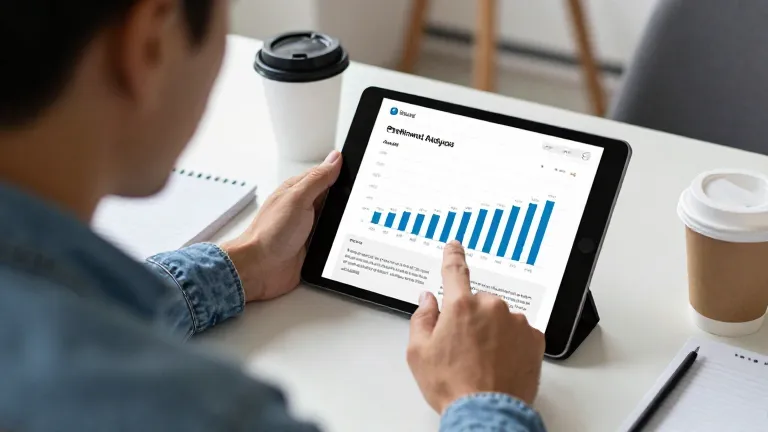
Once you've collected AI-generated social media insights, the next step is to analyze them effectively. This involves examining the data to uncover patterns, understanding audience sentiment, and tracking performance trends over time. These insights can help you refine your content strategy and make data-driven decisions.
Interpreting AI-Generated Insights
Reviewing AI-generated data allows you to identify which content types—such as videos, images, or text—drive the most engagement. Look for patterns in metrics like likes, shares, comments, and click-through rates. AI tools often highlight these trends, helping you prioritize content that resonates with your audience. Use this information to adjust your posting schedule and focus on formats that deliver the best results.
Using Sentiment Analysis to Understand Your Audience
Sentiment analysis is a powerful tool for understanding how your audience perceives your brand. AI can classify comments and messages as positive, neutral, or negative, giving you a clearer picture of public opinion. This analysis helps identify areas where your brand may be underperforming or where it's gaining traction. By monitoring sentiment over time, you can gauge the impact of your campaigns and make necessary adjustments to improve brand perception.
Optimizing Your Content Strategy Using AI Analytics
Optimizing your content strategy with AI analytics allows you to make data-driven decisions that enhance audience engagement and drive better results. By leveraging AI-driven insights, you can refine your content topics, formats, and posting schedules to align more closely with your audience's preferences and behaviors.

Refining Your Content Strategy with AI
AI can help you refine your content strategy by identifying which topics resonate most with your audience. These tools analyze trends, engagement metrics, and user behavior to suggest content themes that are likely to perform well. For instance, AI might recommend creating more video content if it consistently generates higher interaction rates. By incorporating these recommendations, you can ensure your content strategy remains relevant and aligned with audience interests.
Testing and Iterating for Better Results
Testing different types of content is essential to understanding what works best for your audience. AI analytics can track performance across various formats, such as images, videos, and carousels, allowing you to compare engagement, shares, and click-through rates. This data enables you to iterate your strategy by focusing on high-performing content while experimenting with new formats. Consistently analyzing and adjusting your approach based on real-time insights ensures your content strategy remains dynamic and effective.
Frequently Asked Questions
What are the best AI tools for social media analytics?
The best AI tools for social media analytics offer features like sentiment analysis, engagement tracking, and audience insights. Examples include Hootsuite Insights, Brandwatch, and Sprout Social. These tools help automate data collection and provide actionable insights for better decision-making.
How can AI help improve my content strategy on social media?
AI can improve your content strategy by analyzing audience preferences, predicting trends, and suggesting optimal posting times. It also helps identify high-performing content and refine your approach for better engagement and growth.
Can AI track engagement across multiple social media platforms?
Yes, many AI tools for social media analytics can track engagement across multiple platforms. These tools aggregate data from platforms like Facebook, Instagram, Twitter, and LinkedIn, providing a unified view of performance and audience behavior.
What should I look for when choosing an AI analytics tool?
When choosing an AI analytics tool, look for features like real-time data, sentiment analysis, engagement tracking, and customizable reports. Also consider ease of use, integration with social media platforms, and scalability for your business needs.
Next Steps for Your AI Analytics Journey
AI offers powerful tools to enhance social media analytics, offering deeper insights and automation. By selecting the right tools and integrating them into your strategy, you can make data-driven decisions that improve engagement and growth.
To get started, choose an AI tool that aligns with your goals and integrate it with your social media accounts. Regularly analyze insights and refine your content strategy for maximum impact.