

In the fast-evolving world of AI workflows, a better vocabulary for testing is more than just a convenience—it’s a necessity. The current terminology often lacks precision, leading to confusion and inefficiencies in testing and automation. Without a shared language, teams struggle to align on objectives, document processes, and collaborate effectively. This article addresses these challenges by exploring how to refine your vocabulary for testing and automation in AI environments. We’ll break down the different types of testing, classify them based on scope and purpose, and provide actionable insights for creating a practical testing vocabulary. Whether you’re a developer, QA engineer, or project manager, this guide will help you communicate more clearly and improve the quality of your AI testing processes.
Why a Better Vocabulary Matters in AI Testing
In the rapidly evolving field of AI testing, the lack of a standardized and precise vocabulary has become a significant barrier to effective communication and collaboration. Ambiguity in terminology often leads to misunderstandings, making it challenging to align on testing objectives, strategies, and outcomes. A better vocabulary is essential to bridge these gaps and ensure that all stakeholders—developers, testers, and business analysts—are on the same page.
The Problem with Current Testing Terminology
Current testing terminology in AI workflows is often unclear and inconsistent, leading to confusion in communication. Terms like 'unit test,' 'integration test,' and 'end-to-end test' are frequently used without a clear definition, which makes it hard to determine what exactly is being tested. This ambiguity can result in misaligned expectations and inefficient testing processes. Without a common understanding, teams may waste time and resources on redundant or irrelevant testing activities.
The Impact of Poor Terminology on Collaboration
Poor terminology not only affects individual teams but also hinders broader collaboration across projects and organizations. When testing strategies are based on vague or inconsistent terms, it becomes difficult to share insights, best practices, and lessons learned. This lack of clarity can lead to duplicated efforts, missed opportunities for improvement, and an overall decrease in the quality of testing outcomes. A better vocabulary enables more precise communication, fostering a culture of shared understanding and collective problem-solving in AI testing.
Understanding the Different Types of Testing in AI Workflows
In AI workflows, testing is essential for ensuring that systems perform reliably and efficiently. However, the complexity of AI introduces unique challenges that require a nuanced understanding of different testing types. Each category serves a distinct purpose, helping teams identify and resolve issues at various stages of development.
Unit Testing in AI Workflows
Unit testing in AI workflows focuses on individual components or modules within an AI system. This type of testing is crucial for verifying that each unit, such as a neural network layer or a data preprocessing function, operates correctly in isolation. It helps catch errors early in the development cycle, ensuring that each part of the system meets its specified requirements before integration.
Integration Testing for AI Systems
Integration testing for AI systems involves evaluating how different components interact within the larger system. This is particularly important in AI workflows, where multiple modules, such as data ingestion, model training, and inference pipelines, must work together seamlessly. Integration testing ensures that these components communicate effectively and handle data flow and processing as intended, reducing the risk of system-wide failures.
Classifying Tests Based on Scope and Purpose
Classifying tests based on scope and purpose is essential for structuring testing efforts in AI workflows. A well-defined classification system helps teams understand what each test is designed to achieve, ensuring that resources are allocated efficiently and testing priorities are clear.
Scope-Based Classification of Tests
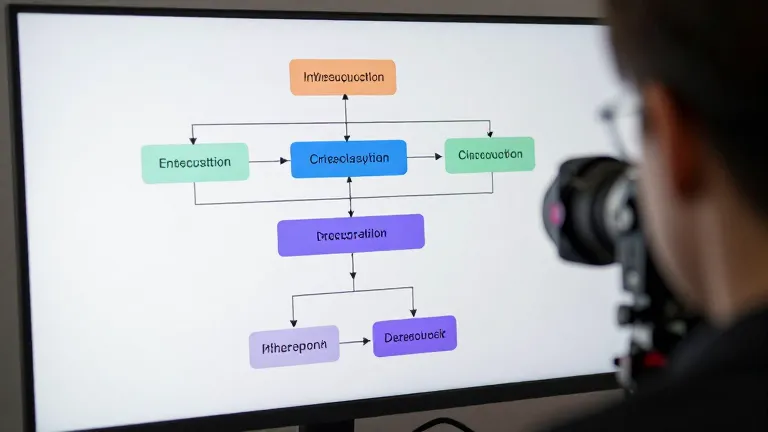
Scope-based classification organizes tests according to the level of system integration they cover. Unit tests focus on individual components or functions, ensuring that each part of the AI system operates correctly in isolation. Integration tests, on the other hand, examine how different components interact, verifying that data flows and interfaces function as expected. End-to-end tests simulate real-world scenarios, testing the entire workflow from input to output, which is critical for assessing the overall reliability of an AI system.
Method-Based Classification of Tests
Method-based classification considers how tests are executed, distinguishing between automated and manual approaches. Automated tests are typically used for repetitive, high-volume scenarios, providing quick feedback and enabling continuous integration. Manual testing, while time-consuming, is valuable for exploratory testing and scenarios that require human judgment. A balanced approach that combines both methods allows teams to address different testing needs effectively, ensuring comprehensive coverage while maintaining efficiency.
Creating a Practical Testing Vocabulary for AI Workflows
Creating a practical testing vocabulary for AI workflows requires a clear, actionable, and adaptable approach. This ensures that teams can effectively communicate, prioritize, and scale their testing efforts. A well-structured vocabulary should support a recipe-like method for testing, tailored to specific scenarios and resource constraints.
Building an Actionable Vocabulary
Building an actionable vocabulary involves defining terms that are specific to AI testing and automation. This includes understanding the scope, purpose, and methods of various tests. By clearly distinguishing between unit, integration, and end-to-end testing, teams can better align their testing strategies with project goals. Such a vocabulary should also provide guidance on how to escalate or de-escalate testing efforts based on available resources.
Adapting Vocabulary to Different Testing Needs
Adapting the vocabulary to different testing needs means recognizing that not all scenarios are the same. Some projects may require extensive end-to-end testing with human supervision, while others may benefit from lightweight unit tests with automated agents. The vocabulary should allow teams to mix and match testing approaches, depending on the complexity, time constraints, and team capabilities. This flexibility ensures that the testing process remains both efficient and effective, regardless of the project’s scale or requirements.
How to Apply a Better Vocabulary in Real-World AI Testing
Applying a better vocabulary in real-world AI testing requires a deliberate effort to match terminology with the specific context and goals of your testing activities. This ensures that your vocabulary remains relevant, precise, and actionable, enabling teams to communicate more effectively and avoid misunderstandings.

Aligning Vocabulary with Testing Objectives
Aligning vocabulary with testing objectives is critical for maintaining clarity and consistency across teams. When you define terms based on specific testing goals, such as ensuring model accuracy or system reliability, you create a shared understanding that guides the design and execution of tests. This alignment helps teams focus on the most important aspects of testing, avoiding confusion and ensuring that all activities contribute directly to achieving those goals.
Improving Communication Through Better Terminology
Using the right vocabulary supports better documentation, communication, and reporting of test results. Clear terminology makes it easier to record test cases, track progress, and share findings with stakeholders. It also facilitates more effective reporting, as consistent language helps in presenting results in a way that is easy to understand and act upon. Ultimately, a better vocabulary enhances transparency and accountability in AI testing, ensuring that all team members are on the same page and working towards common objectives.
Frequently Asked Questions
What are the key differences between unit testing and integration testing in AI workflows?
Unit testing in AI workflows focuses on isolated components, like individual models or functions, while integration testing checks how these components interact. Unit testing verifies internal logic, whereas integration testing ensures seamless data flow and compatibility between modules.
How can I improve my testing vocabulary for AI systems?
To improve your testing vocabulary, focus on understanding the specific terminology used in AI workflows. Study different testing classifications and their purposes. Engage with communities and resources to learn how to articulate your testing strategies clearly and effectively.
What are the most common testing classifications used in software development?
Common testing classifications include unit, integration, system, and acceptance testing. These are often categorized by scope and purpose, with variations like performance, load, and stress testing. These classifications help in defining testing objectives and strategies.
How do I choose the right testing approach for my AI workflow?
Choose the right testing approach by aligning it with your project's goals and constraints. Consider the scope of testing, available resources, and the specific requirements of your AI workflow. Evaluate how different classifications and methods can be adapted to your needs.
Next Steps in Testing Vocabulary
A better vocabulary for testing helps in creating clearer strategies and improving collaboration. It allows for more precise communication and ensures that testing efforts are aligned with project goals.
Start by understanding different testing classifications and their purposes. Apply this knowledge to your AI workflows to enhance testing effectiveness and streamline your testing processes.