
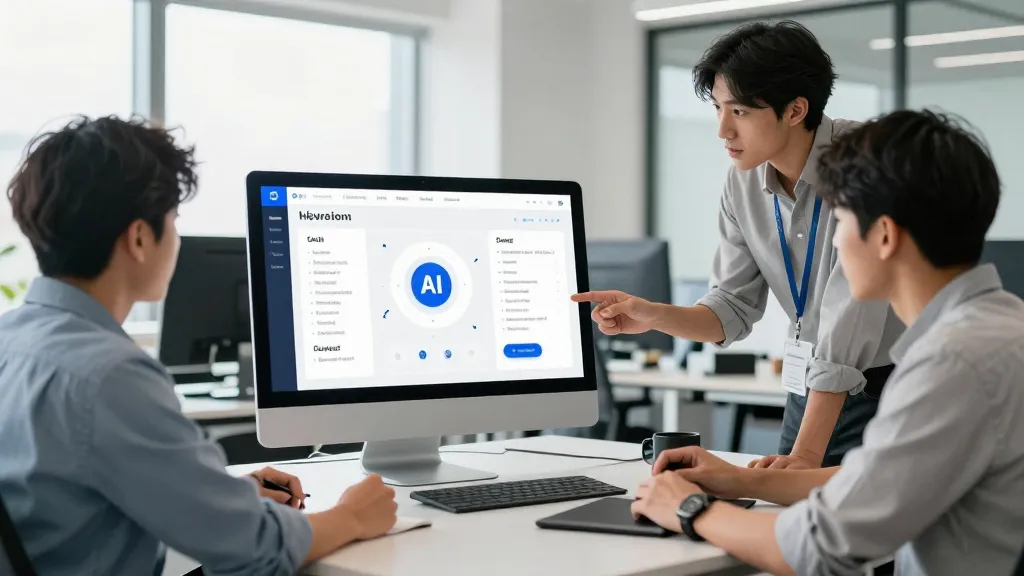
In today's fast-paced business environment, small business owners, marketing professionals, and office workers are constantly seeking ways to streamline workflows and boost productivity. Manual tasks can be time-consuming and error-prone, making it essential to find efficient solutions. AI tools for no-code automation offer a powerful way to automate repetitive processes without requiring coding expertise. These tools empower users to design workflows, manage data, and integrate services with minimal technical knowledge. Whether you're looking to simplify customer service, automate marketing tasks, or optimize daily operations, the right AI tool can make a significant difference. This guide explores how no-code AI automation can transform your workflow and highlights the best tools to get started.
Understanding No-Code AI Automation
No-code AI automation combines artificial intelligence with user-friendly interfaces to enable users to create and manage automated workflows without needing to write code. This approach allows small business owners, marketing professionals, and office workers to streamline repetitive tasks and improve operational efficiency.

What Is No-Code AI Automation?
No-code AI automation refers to the use of AI-powered tools that provide visual interfaces and drag-and-drop functionality. Unlike traditional automation, which requires programming skills, no-code platforms allow users to build workflows by selecting pre-built templates and configuring settings. These tools often integrate AI capabilities such as natural language processing, machine learning, and predictive analytics to enhance automation intelligence.
Why Use AI for No-Code Automation?
Using AI for no-code automation offers significant advantages for business workflows. It reduces the time and cost associated with custom coding while increasing the accuracy and adaptability of automated processes. AI can analyze data, predict outcomes, and make decisions within workflows, enabling more intelligent automation. This makes it easier to handle complex tasks such as data entry, customer service, and marketing campaigns without technical expertise.
Top AI Tools for No-Code Automation
Selecting the right AI tool for no-code automation depends on your specific needs, whether you're looking for a full-featured platform or a specialized tool for task automation. The best options vary in features, pricing, and ease of use, so it's important to evaluate which aligns best with your workflow and budget.
| Tool | Key Features | Pricing | Ease of Use | Best For |
|---|---|---|---|---|
| Zapier | Connects apps, automates workflows, AI-powered triggers | Free tier; paid plans from $20/month | High | General workflow automation |
| Microsoft Power Automate | Integrates with Microsoft 365, AI-driven insights, pre-built templates | Free tier; paid plans from $50/month | Medium | Office and customer service workflows |
| HubSpot | Marketing automation, CRM integration, AI for lead scoring | Free tier; paid plans from $500/month | High | Marketing and sales automation |
| Botsify | AI chatbots, no-code interface, real-time analytics | Free tier; paid plans from $49/month | High | Customer service and support |
AI Automation Platforms with No-Code Interfaces
AI automation platforms with no-code interfaces are ideal for businesses seeking to streamline complex workflows without coding expertise. Tools like Zapier and Microsoft Power Automate provide intuitive drag-and-drop interfaces that allow users to create automated processes by connecting apps and services. These platforms often include AI features such as predictive analytics and smart triggers, which enhance automation capabilities. Pricing varies, with free tiers typically available for basic use, while advanced features require paid subscriptions. The ease of use is generally high, making these platforms accessible to small businesses and non-technical users.
AI Tools for Task Automation and Workflow Integration
Task automation and workflow integration tools focus on simplifying repetitive tasks and improving productivity. HubSpot and Botsify are examples of tools that offer AI-driven capabilities for marketing automation and customer service. These tools often include features like lead scoring, chatbot integration, and analytics, which help in making data-driven decisions. While they may have a steeper learning curve compared to general automation platforms, their specialized functions make them highly effective for targeted automation needs. Pricing for these tools is usually higher due to their advanced features, but they offer significant value for businesses with specific automation goals.
How to Implement AI No-Code Automation
Implementing AI no-code automation requires a structured approach to ensure seamless integration and optimal performance. By following a clear process, small business owners and office workers can effectively leverage these tools to enhance productivity and reduce manual effort.
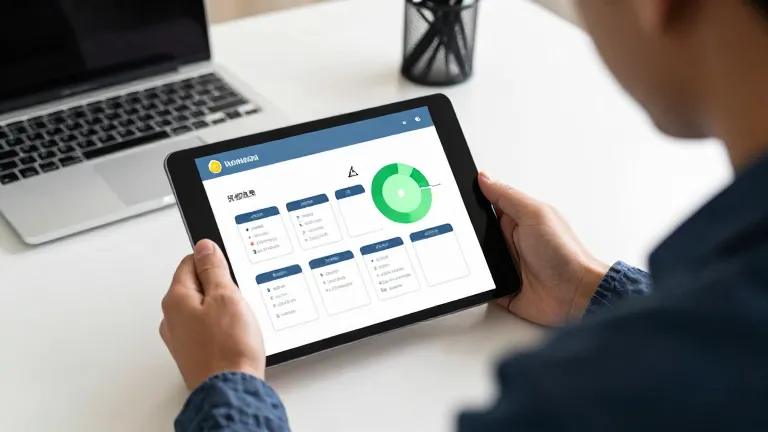
- Choose the right AI automation platform that aligns with your business needs and technical capabilities.
- Define clear objectives and scope for the automation project to ensure it addresses specific pain points.
- Set up the platform by configuring workflows, integrating necessary tools, and customizing automation rules.
- Test the automation process thoroughly to identify and resolve any issues before full deployment.
Getting Started with AI No-Code Automation
Getting started with AI no-code automation involves selecting a platform that offers intuitive drag-and-drop interfaces and AI-driven features. Begin by assessing your business processes to identify tasks that can benefit from automation. Once the platform is chosen, familiarize yourself with its interface and features to ensure a smooth setup process.
Tips for Integrating AI Tools with Your Workflow
Integrating AI tools with existing workflows requires careful planning to avoid disruptions. Start by mapping out your current processes and identifying where automation can be applied without interfering with manual tasks. Use APIs or built-in integration tools to connect the AI platform with your existing software and systems. Regularly review and update the integrations to ensure they remain aligned with your evolving business needs.
Real-World Use Cases for AI No-Code Automation
Real-world use cases demonstrate how AI no-code automation tools transform business operations across various industries. From customer service to marketing, these tools enable teams to streamline repetitive tasks, enhance efficiency, and improve customer satisfaction without requiring advanced technical skills.
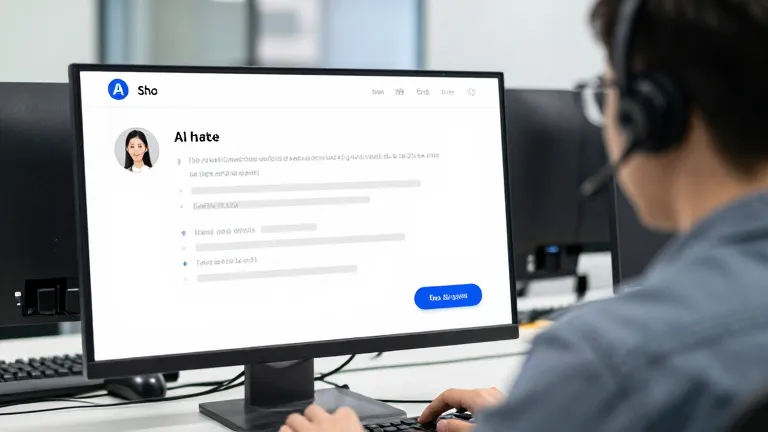
Automating Customer Service with AI Tools
Automating customer service with AI tools allows businesses to handle inquiries efficiently while maintaining a high level of responsiveness. Chatbots powered by AI can manage common customer queries around the clock, reducing the workload on human agents. For instance, a retail company used an AI chatbot to manage product inquiries, resulting in a 40% reduction in response time and a 25% increase in customer satisfaction. No-code platforms enable non-technical staff to configure and deploy these bots without needing to write code, making automation accessible to all departments.
Streamlining Marketing Workflows with AI
Streamlining marketing workflows with AI tools helps teams focus on strategy rather than manual data management. AI-powered automation platforms can schedule social media posts, analyze campaign performance, and segment audiences based on behavior. A small digital marketing agency reported a 30% increase in campaign efficiency after implementing an AI tool for email marketing automation. These tools also support A/B testing and real-time analytics, allowing marketers to refine strategies quickly. By using no-code interfaces, marketing teams can customize workflows without relying on IT support, ensuring faster implementation and greater flexibility.
Choosing the Right AI Tool for Your Business
Selecting the right AI tool for your business requires careful consideration of your specific needs, goals, and constraints. With so many options available, it's essential to focus on factors that align with your workflow and growth objectives.
Evaluating AI Tools for Your Business Needs
To evaluate AI tools for your business needs, start by identifying the specific tasks you want to automate. Consider the scope of your operations and whether the tool supports the required functions, such as data processing, customer service, or marketing automation. Look for user reviews and case studies to gauge how well the tool performs in real-world scenarios. Pay attention to features like integration capabilities, customization options, and support for your existing software ecosystem.
Best Practices for Implementing AI Automation
Best practices for implementing AI automation include starting with small-scale pilots to test the tool's effectiveness before full deployment. This approach allows you to identify any issues and make adjustments without disrupting your workflow. Prioritize tools that offer clear documentation and responsive customer support to ensure a smooth implementation process. Finally, train your team on how to use the tool effectively and monitor its performance regularly to optimize results.
Frequently Asked Questions
What are the best no-code AI automation tools for small businesses?
The best no-code AI automation tools for small businesses include platforms like Zapier, Integromat, and Microsoft Power Automate. These tools offer intuitive interfaces and pre-built integrations, allowing non-technical users to automate repetitive tasks efficiently. They are scalable and cost-effective, making them ideal for businesses with limited resources.
How do I choose between different AI automation platforms?
When choosing an AI automation platform, consider factors like ease of use, integration capabilities, and scalability. Prioritize platforms that align with your business needs and have robust support. Evaluating user reviews and demo features can also help you make an informed decision.
Can I automate customer service tasks with AI without coding?
Yes, you can automate customer service tasks with AI without coding by using no-code platforms like Zendesk, HubSpot, or Freshdesk. These tools offer chatbots, ticket routing, and automated responses, enabling efficient support without requiring technical expertise.
Are there free AI tools for no-code automation?
Yes, several free AI tools for no-code automation are available, such as Zapier's free tier, Integromat's free plan, and Microsoft Power Automate's basic version. These offer limited features but are sufficient for basic automation tasks, making them ideal for small businesses or individuals.
Next Steps in AI Automation
AI no-code automation tools are transforming how businesses operate by enabling efficient, scalable workflows. These platforms empower users to automate repetitive tasks without coding, saving time and reducing errors. Whether you're a small business or a large enterprise, the right tool can significantly enhance productivity.
To get started, evaluate your business needs and choose a tool that offers the features you require. Begin with simple automation tasks and gradually expand as you gain confidence. Embracing AI no-code automation is a strategic move toward smarter, more efficient business operations.