
For small business owners and professionals looking to cut through the noise of repetitive tasks, open source AI agent tools like OpenComputer offer a compelling solution. These agents automate workflows, freeing up time for more strategic work. OpenComputer, an open-source alternative to Devin, is designed to integrate seamlessly into your daily routine, whether you're working in Slack or managing code repositories. Its ability to operate on your own computer or in the cloud makes it a versatile choice for those seeking control over their automation tools.
OpenComputer stands out with its self-hosting capabilities, allowing users to maintain security and scalability without compromising on performance. The tool's integration with Slack and support for multiple AI models provide flexibility in how tasks are handled. This makes it a strong contender for anyone looking to replace or complement existing automation solutions with an open-source option.
In this article, we’ll explore how OpenComputer works, why it’s a viable alternative to Devin, and how you can start using it today. We’ll also examine the broader implications of open-source AI agents in the world of automation and how they’re shaping the future of productivity for businesses and professionals.
What Is OpenComputer and How Does It Work?
OpenComputer is an open-source AI agent designed to streamline coding tasks and enhance productivity, offering a competitive alternative to Devin. It functions as a coding assistant, capable of integrating with Slack and operating either in the cloud or through self-hosting. This flexibility allows users to tailor their workflow to their specific needs, whether they prefer the convenience of cloud-based solutions or the control of self-hosted environments. OpenComputer is built with speed in mind, delivering real-time feedback and leveraging tools like Claude Code and Codex to improve efficiency.
How OpenComputer Integrates with Slack
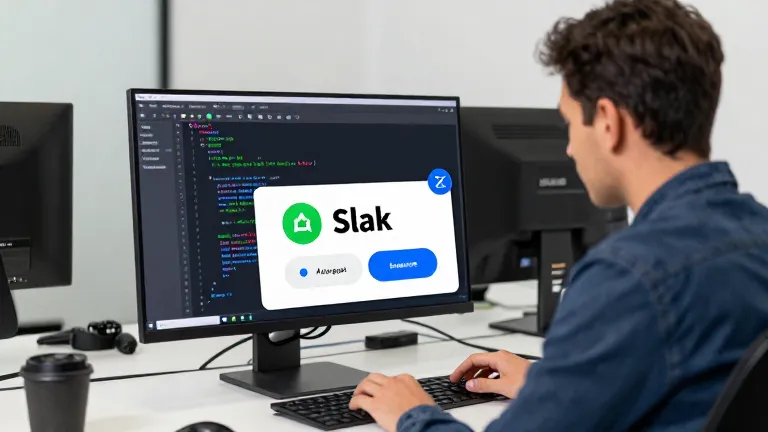
OpenComputer seamlessly integrates with Slack, enabling users to interact with the AI agent directly within their team's communication channels. By mentioning '@Computer' in a Slack thread with a task, users can initiate a session where the agent works on their behalf. This integration allows for real-time collaboration, as team members can monitor the agent's progress and provide guidance as needed. The result is a pull request that reflects the agent's work, making it easier to incorporate into existing workflows.
Performance Benchmarks and Comparison with Devin
Performance benchmarks highlight OpenComputer's capabilities, showing it can process pull requests up to 3.3x faster than Devin. This speed is achieved through an optimized architecture that prioritizes efficiency without compromising on quality. The benchmark results indicate that OpenComputer is not only faster but also maintains a high level of accuracy and reliability, making it a compelling choice for developers looking to enhance their productivity. The performance gains are attributed to its design, which allows for quick execution and efficient resource management, ultimately reducing the time required for complex coding tasks.
Why OpenComputer Is a Strong Alternative to Devin
OpenComputer offers a compelling alternative to Devin by combining open-source transparency with robust security and flexibility. As a fully open-source project, it empowers users to self-host the system, ensuring complete control over data and infrastructure. This approach not only enhances security but also allows for seamless integration into existing workflows, making it ideal for small businesses and professionals seeking reliable automation tools.
Self-Hosting and Security Considerations
Self-hosting OpenComputer provides maximum control over data and system operations. By running the entire stack on a single VM, users can configure network settings to restrict outbound access, minimizing potential security risks. This setup is particularly beneficial for organizations that prioritize data privacy and compliance, as it allows them to maintain full oversight of their AI-driven processes without relying on third-party cloud services.
Flexibility in AI Model Integration
OpenComputer's architecture is designed to support multiple AI models, including Claude Code, Codex, and OpenCode, offering users the flexibility to choose the best fit for their specific use cases. This compatibility ensures that businesses can adapt the system to evolving needs, whether they require advanced code generation capabilities or simpler automation tasks. The integration with Cloudflare Workers and Durable Objects further enhances efficiency, enabling scalable and reliable performance across various deployment environments.
How to Get Started with OpenComputer
Starting with OpenComputer is straightforward, whether you're a small business owner or a developer looking to streamline your workflow. The cloud-based Slack app offers a quick and seamless way to begin using the tool, while advanced users can take advantage of self-hosting for greater control and customization.
Getting Started with the Cloud Version
The fastest way to use OpenComputer is through its cloud-based Slack app. To get started, visit the OpenComputer website and sign up for an account. Once registered, connect your GitHub or other repository accounts to the app. Then, install the Slack app and link it to your workspace. This setup allows you to mention @Computer in a Slack thread with a task, and it will handle the rest, generating pull requests and keeping your team informed throughout the process.
Self-Hosting Setup for Advanced Users
For advanced users, self-hosting OpenComputer provides more flexibility and customization. You can run the entire stack on a single VM, which you can lock down to outbound-only network access for enhanced security. The VM hosts the gateway, Calvin, which acts as a bridge between Slack and AI models like Claude Code, Codex, or OpenCode. Each session is isolated using rootless Podman, and the state is saved to a git-backed store. This setup allows you to tailor the environment to your specific needs while maintaining control over your data and infrastructure.
The Impact of Open Source AI Agents on Automation
The emergence of open source AI agents is fundamentally altering the landscape of automation, offering businesses unprecedented flexibility and control over their workflows. By removing reliance on proprietary systems, these tools empower organizations to innovate at scale while maintaining transparency and security. As more companies adopt open source solutions, the pace of development accelerates, fostering a collaborative environment where best practices and advancements are shared openly.
The Rise of Open Source in AI Automation
Open source AI agents like OpenComputer are at the forefront of a new era in automation, where customization and adaptability are key. Unlike closed-source alternatives, open source platforms allow teams to tailor AI tools to their specific needs, integrating seamlessly with existing workflows and systems. This level of flexibility ensures that businesses can evolve their automation strategies without being constrained by vendor-specific limitations.
Implications for Business Productivity
The shift toward open source AI automation is redefining how businesses approach productivity and task delegation. With open source tools, companies can experiment with different AI models and configurations, optimizing their processes for efficiency and cost-effectiveness. This democratization of AI technology enables smaller teams and startups to compete with larger organizations, leveling the playing field and driving innovation across industries.
Real-World Applications of OpenComputer
OpenComputer offers practical applications for businesses looking to streamline their workflows through AI automation. By integrating with Slack and leveraging AI models like Claude Code, it enables teams to perform complex coding tasks efficiently. This makes it particularly useful for software development, data processing, and workflow automation, offering real-world value to professionals seeking to reduce repetitive tasks.
Use Cases in Software Development
In software development, OpenComputer can automate coding tasks such as generating pull requests, debugging, and even writing code based on natural language instructions. This capability allows developers to focus on more complex problem-solving rather than repetitive coding, improving productivity. For example, a team can use OpenComputer to generate and review code changes in real time, ensuring that the final product is both efficient and error-free.
Collaboration and Real-Time Monitoring
Collaboration is a key strength of OpenComputer, as it allows teams to monitor and steer AI-generated tasks through Slack. Team members can observe the progress of an AI agent, provide feedback, and make adjustments in real time, ensuring that the output aligns with project goals. This level of transparency and control fosters better teamwork and reduces the risk of errors, making OpenComputer an ideal tool for collaborative environments. The open-source model also encourages community contributions, ensuring that the platform continues to evolve and improve with input from developers and users around the world.
Frequently Asked Questions
Can I self-host OpenComputer on my own cloud account?
Yes, OpenComputer can be self-hosted on your own cloud account. It is designed to be simple to self-host without compromising scale or security. You can run all of it in your own cloud environment or start with OpenComputer Cloud.
What AI models does OpenComputer support?
OpenComputer supports AI models such as Claude Code, Codex, and OpenCode. It is built to be flexible, allowing users to integrate various AI models depending on their configuration.
How do I connect my repositories to OpenComputer?
To connect your repositories to OpenComputer, you need to sign up for the cloud version, connect your repos, and install the Slack app. This allows OpenComputer to access and work with your repositories seamlessly.
Is OpenComputer faster than Devin, and why?
Yes, OpenComputer is 3.3x faster than Devin in opening pull requests. This performance is due to its optimized architecture and efficient integration with AI models, which allows it to work quickly and effectively.
Next Steps with OpenComputer
OpenComputer offers a powerful, open-source alternative to Devin, providing flexibility, security, and performance. Whether you choose the cloud version or self-host, it streamlines workflow automation and enhances productivity.
To get started, sign up for the cloud version or explore self-hosting options. OpenComputer is a valuable tool for developers and teams looking to leverage open-source AI agents for automation.