

In today's fast-paced digital world, small business owners, digital marketers, and content creators are constantly searching for ways to boost productivity and cut down on repetitive tasks. Enter AI workflows—ai workflows can transform how you manage operations, from content creation to customer engagement. By automating routine processes, these workflows free up valuable time and resources, allowing you to focus on strategic growth. This guide will walk you through the essentials of understanding and designing ai workflows to maximize efficiency and achieve better results.
What Are AI Workflows?
AI workflows are sequences of automated tasks that leverage AI tools to perform specific functions. These workflows are designed to streamline repetitive or complex processes, making them ideal for small business owners, digital marketers, and content creators looking to boost productivity. By integrating AI into daily operations, individuals and teams can focus on higher-value activities while reducing manual effort.
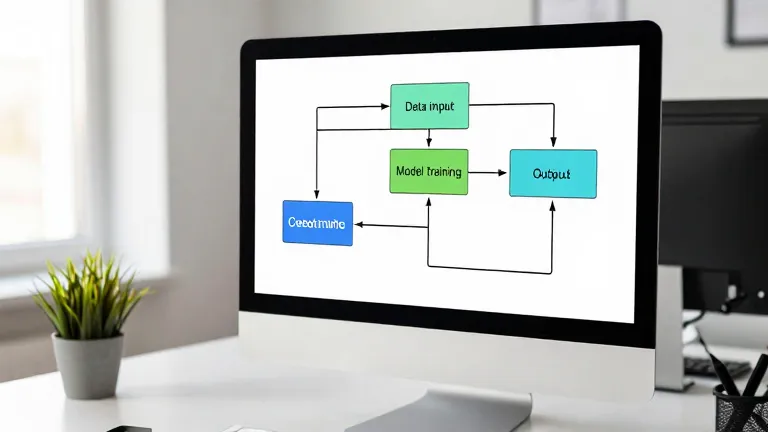
Defining AI Workflows
An AI workflow is a structured process that uses artificial intelligence to execute a series of tasks. These tasks can be as simple as data entry or as complex as predictive analytics. The key to an effective AI workflow is that it is automated, which means it can operate with minimal human intervention once it is set up. This automation not only saves time but also reduces the likelihood of errors in repetitive tasks.
Components of an AI Workflow
The components of an AI workflow typically include data input, processing, decision-making, and output. Data input involves gathering and feeding relevant information into the system, which can come from various sources such as databases, user inputs, or external APIs. Processing is where AI algorithms analyze the data, identify patterns, and perform actions based on predefined rules or machine learning models. Decision-making is often the most complex part, where the AI system evaluates options and chooses the best course of action. Finally, the output is the result of the workflow, which can be delivered to users, stored, or used as input for other processes.
Why Design Efficient AI Workflows?
Efficient AI workflows reduce manual effort and save time in repetitive tasks. By automating routine processes such as data entry, customer support, or content generation, businesses can redirect their team’s focus toward more strategic and creative activities. This not only boosts productivity but also allows employees to concentrate on tasks that require human insight and decision-making.
They improve accuracy and consistency by minimizing human error. Manual processes are prone to mistakes, which can lead to costly errors and inefficiencies. AI workflows, on the other hand, execute tasks with precision, ensuring that outputs are reliable and uniform. This is especially valuable in areas like data analysis, where even small errors can impact results significantly.
Optimized workflows can lead to significant cost savings and better business outcomes. Automating repetitive tasks reduces labor costs and minimizes the risk of costly errors. Additionally, AI workflows can scale with business growth, offering long-term efficiency gains. As businesses streamline their operations, they can reinvest savings into innovation, marketing, or customer experience improvements, driving overall growth and competitiveness.
How to Design AI Workflows for Maximum Efficiency
Designing efficient AI workflows starts with a clear understanding of which tasks can be automated. By focusing on repetitive, time-consuming, or data-heavy activities, you can free up valuable time and resources. Once you’ve identified these tasks, the next step is to select the right tools that align with your goals and workflow structure.

- Identify tasks that are repetitive or require pattern recognition, such as data entry, content curation, or customer support.
- Evaluate the complexity of each task to determine whether it can be handled by an AI tool or requires human oversight.
- Prioritize tasks based on their impact on productivity and the potential for automation. For example, automating email responses can save hours weekly.
- Ensure the selected AI tools can integrate with your existing systems, such as CRM platforms or project management software.
Identifying Automatable Tasks
To identify automatable tasks, start by reviewing your daily workflow to find repetitive actions. For instance, if you regularly draft social media posts, an AI tool can help generate content based on your brand voice. Similarly, customer service tasks like answering FAQs can be streamlined with chatbots. The key is to look for tasks that follow predictable patterns, as these are most suitable for automation.
Selecting the Right AI Tools
Selecting the right AI tools involves matching their capabilities with your specific needs. For example, if you're managing customer support, a chatbot like Zendesk Answer Bot may be ideal. However, if you're focusing on data analysis, a tool like Google Data Studio or AI-powered analytics platforms could be more appropriate. Always consider factors like ease of use, integration options, and scalability when choosing tools to ensure they support your long-term workflow goals.
Best Practices for AI Workflow Design
To ensure your AI workflows remain effective and adaptable, design them with modularity in mind. Breaking workflows into smaller, independent components allows you to update or replace specific parts without disrupting the entire process. This approach not only simplifies maintenance but also supports growth as your business needs evolve. Modular design also makes it easier to integrate new tools or technologies without overhauling existing systems.
Integrating AI workflows with your existing digital infrastructure is crucial for maintaining data consistency and operational efficiency. When workflows are connected to your current tools, such as CRM systems, project management platforms, or marketing automation software, they can share data seamlessly. This integration ensures that all parts of your workflow operate with the same up-to-date information, reducing errors and improving overall performance.
Regular monitoring and refinement are essential to keep your AI workflows running smoothly. Set up metrics to track key performance indicators like task completion time, error rates, and user satisfaction. Use this data to identify bottlenecks and areas for improvement. Over time, adjust workflows based on real-world outcomes to optimize efficiency and ensure they continue to meet your business goals.
Real-World AI Workflow Examples
Social media content creation workflows often integrate AI tools like Jasper or Copy.ai to streamline the process of generating captions, headlines, and even full posts. These tools use natural language processing to produce engaging content tailored to specific platforms, saving time and ensuring consistency. For example, a digital marketer might use Jasper to draft multiple variations of a promotional post, then let an AI image generator create visuals, and finally schedule the content using a tool like Hootsuite.

- Use Jasper or Copy.ai to generate social media content and streamline posting.
- Implement chatbots and sentiment analysis tools for efficient customer support.
- Automate data entry with Otter.ai or Docparser to reduce manual tasks.
- Combine AI tools with scheduling and analytics platforms for a complete workflow.
Customer support workflows leverage chatbots and sentiment analysis tools to handle routine inquiries and gauge customer emotions. Chatbots like Zendesk or Intercom can manage basic questions, while sentiment analysis tools such as Brandwatch or MonkeyLearn provide insights into customer satisfaction. This allows human agents to focus on more complex issues, improving response times and overall service quality.
Data entry automation with tools like Otter.ai or Docparser reduces manual work by converting voice recordings into text or extracting key information from documents. Otter.ai, for instance, can transcribe meetings or interviews, while Docparser can extract data from invoices or receipts. This automation not only speeds up data input but also minimizes errors, making it ideal for small businesses looking to optimize their operations.
Frequently Asked Questions
What are some common examples of AI workflows?
Common examples include customer service chatbots, data analysis pipelines, and automated content moderation. These workflows leverage AI to handle repetitive tasks, improve decision-making, and enhance user experiences.
How do I choose the right AI tools for my workflow?
Evaluate tools based on their integration capabilities, ease of use, scalability, and alignment with your specific goals. Prioritise tools that offer flexibility and support for your workflow's unique requirements.
Can I integrate AI workflows with my existing software?
Yes, most AI tools offer APIs and integration options to connect with existing systems. Ensure compatibility and data flow between platforms to maintain workflow efficiency and data consistency.
How often should I review and update my AI workflows?
Review workflows regularly, especially after significant changes in data, tools, or business goals. Aim for quarterly checks to ensure they remain efficient and aligned with your objectives.
Next Steps in AI Workflow Design
Designing efficient AI workflows is essential for leveraging AI's potential. By focusing on automation, tool selection, and continuous improvement, you can enhance productivity and decision-making.
Start by identifying automatable tasks and selecting the right tools. Regularly review and update your workflows to ensure they meet evolving needs. This approach will help you build a robust AI workflow system.