

Teaching is a rewarding yet demanding profession, and many educators struggle with the overwhelming workload that comes with grading, lesson planning, and administrative tasks. As classrooms grow more complex, finding ways to streamline these responsibilities is essential. AI tools for teachers are emerging as powerful solutions to help educators focus more on what they do best—inspiring students and fostering learning. These tools offer automation, data-driven insights, and personalized support, making it easier to manage daily challenges without compromising quality. In this article, we explore how AI is reshaping education, highlight the best tools available, and guide you through selecting and implementing the right solutions for your classroom.
Why AI Tools Are Transforming Education
AI tools are revolutionizing education by streamlining workflows and enabling educators to focus on what truly matters: teaching and student growth. These technologies are designed to support teachers in managing complex tasks while fostering more engaging and individualized learning experiences for students.

The Role of AI in Modern Classrooms
The Role of AI in Modern Classrooms involves more than just automation; it encompasses data-driven insights that help educators make informed decisions. AI-powered platforms can analyze student performance, identify learning gaps, and suggest tailored interventions. By providing real-time feedback, these tools help teachers create more dynamic and responsive lesson plans that cater to diverse learning needs. This shift allows educators to move from a one-size-fits-all approach to a more personalized and effective teaching strategy.
How AI Reduces Teacher Workload
How AI Reduces Teacher Workload is evident in the automation of repetitive and time-consuming tasks. AI tools can grade assignments, track student progress, and even generate customized reports, freeing up valuable time for teachers. This efficiency not only reduces the burden of administrative tasks but also allows educators to dedicate more time to meaningful interactions with students, lesson development, and professional growth. By alleviating the pressure of routine work, AI empowers teachers to focus on creating impactful learning environments.
Top AI Tools for Teachers
AI tools are revolutionizing how teachers approach grading, lesson planning, and student engagement. These tools not only save time but also provide deeper insights into student performance and learning patterns. By leveraging automation and data-driven feedback, educators can focus more on teaching and less on administrative tasks.
- Gradescope
- Turnitin
- Edpuzzle
- Knewton
- Google Classroom
- Canva for Education
AI Tools for Grading and Assessment
Gradescope is a powerful AI tool that streamlines grading by allowing teachers to upload assignments and automatically grade multiple-choice and short-answer questions. It also provides detailed feedback on student responses, helping educators identify common mistakes and adjust their teaching strategies accordingly. The tool's ability to handle large volumes of assignments makes it ideal for busy classrooms.
AI Tools for Lesson Planning and Curriculum Design
Tools like Edpuzzle and Knewton offer dynamic lesson planning and real-time feedback features. Edpuzzle enables teachers to embed interactive questions into videos, ensuring students engage with content and providing instant feedback. Knewton, on the other hand, uses AI to personalize learning paths for each student, adapting content based on their performance. Both tools integrate seamlessly with existing platforms, enhancing their utility in a digital classroom environment.
How AI Tools Improve Classroom Efficiency
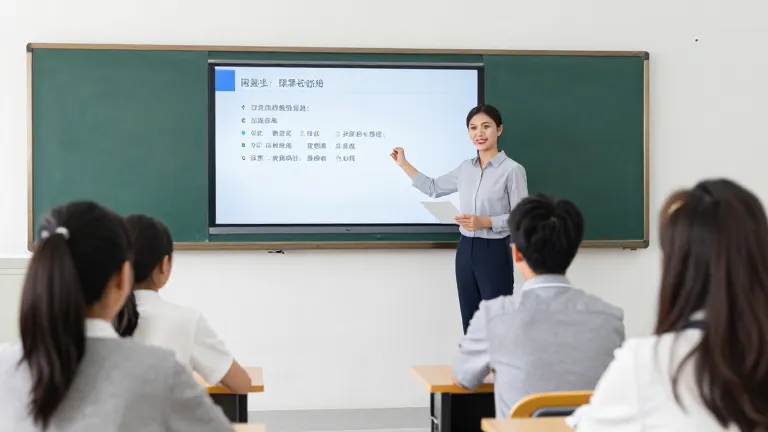
AI tools significantly enhance classroom efficiency by streamlining administrative processes and enabling more personalized student learning. These technologies allow educators to focus on teaching rather than being overwhelmed by routine tasks, ultimately improving both productivity and student outcomes.
Automating Administrative Tasks
AI tools automate routine tasks such as grading, attendance tracking, and scheduling, which traditionally consume a significant amount of a teacher's time. By using AI-driven platforms, educators can quickly receive feedback on student performance, reducing the time spent on manual grading. For example, automated grading systems can instantly evaluate multiple-choice tests and provide detailed analytics, enabling teachers to identify common errors and adjust their instruction accordingly.
Attendance tracking is another area where AI simplifies administrative work. Smart systems can automatically log student attendance using facial recognition or QR code scanning, eliminating the need for manual entry. This not only saves time but also ensures more accurate and real-time data, allowing teachers to monitor student participation and engagement more effectively.
Personalized Learning Through AI
Personalized learning through AI empowers students to progress at their own pace, tailored to their unique needs and abilities. AI-driven platforms analyze student performance data to recommend customized learning paths, ensuring that each learner receives the right content and support. For instance, adaptive learning software can adjust the difficulty of exercises based on a student's responses, providing an optimal challenge without overwhelming them.
By personalizing learning experiences, AI tools help teachers address individual student needs more effectively, leading to improved academic performance and increased student engagement. This targeted approach allows educators to focus on delivering high-quality instruction while leveraging AI to meet diverse learning requirements, ultimately fostering a more inclusive and efficient classroom environment.
Choosing the Right AI Tool for Your Classroom
Selecting the right AI tool for your classroom requires a thoughtful evaluation of features, usability, and alignment with educational goals. A well-chosen tool can streamline workflows, enhance student engagement, and support diverse learning needs. To ensure the best fit, consider how the tool integrates with existing systems, its ease of use, and whether it can scale with your classroom’s evolving requirements.
| Feature | Gradescope | Quizizz | Classcraft |
|---|---|---|---|
| Integration | Seamlessly integrates with LMS platforms like Google Classroom and Canvas | Syncs with Google Classroom and Microsoft Teams | Compatible with most LMS and offers custom API options |
| Ease of Use | User-friendly interface for teachers and students | Simple quiz creation and instant feedback | Gamified interface with intuitive role management |
| Scalability | Suitable for K-12 and higher education | Ideal for K-12 with limited customization | Supports large classrooms and multi-teacher environments |
| Personalization | Offers adaptive feedback and analytics | Limited personalization options | Customizable gamification for student motivation |
| Cost | Free tier with premium options available | Free for basic use with paid upgrades | Subscription-based with flexible pricing |
Evaluating AI Tool Features
Evaluating AI tool features involves comparing integration capabilities, ease of use, and scalability. For instance, Gradescope integrates smoothly with LMS platforms, while Classcraft offers custom API options for advanced users. Ease of use is critical for both teachers and students, with tools like Quizizz providing a straightforward interface that minimizes the learning curve. Scalability ensures the tool can grow with your classroom, making it suitable for expanding classes or multiple teachers.
Matching Tools to Classroom Needs
Matching tools to classroom needs requires aligning the AI’s features with specific educational goals. If your focus is on automated grading and feedback, Gradescope may be the best fit. For interactive learning and engagement, Quizizz and Classcraft provide gamified experiences that motivate students. Consider whether the tool supports personalized learning, administrative efficiency, or data-driven insights—each factor should guide your decision to ensure the AI tool enhances, rather than complicates, your teaching process.
Implementing AI Tools in the Classroom
Implementing AI tools in the classroom requires a structured approach to ensure seamless integration and long-term success. By following a clear plan and providing adequate support, educators can maximize the benefits of these technologies while minimizing disruptions.

Step-by-Step Integration Guide
Begin by identifying specific tasks where AI tools can offer the most value, such as grading, lesson planning, or student feedback. Introduce the tools gradually, starting with one or two applications to allow time for adaptation. For example, start with an AI-powered grading tool to streamline assessments before moving on to more complex functions like personalized learning recommendations. Regularly assess the impact of each tool and adjust its use based on student and teacher feedback.
Training and Support for AI Tools
Training and support are essential for ensuring that both students and staff can effectively use AI tools. Provide clear instructions, tutorials, and hands-on practice sessions to build confidence and competence. Encourage collaboration among teachers to share best practices and troubleshoot issues. Establish a support system, such as a dedicated tech assistant or a peer support network, to address questions and challenges as they arise. Regular check-ins and feedback sessions can help refine the implementation process and ensure that the tools remain relevant and useful over time.
Frequently Asked Questions
What are the best AI tools for grading in K-12 classrooms?
AI tools like Gradescope and Turnitin offer automated grading and feedback for K-12 students. These tools help reduce grading time while maintaining accuracy and consistency.
How can AI tools help with student engagement?
AI tools such as Kahoot and Quizlet use gamification to boost student engagement. They provide interactive learning experiences that keep students motivated and involved.
Are there AI tools that work with popular LMS platforms?
Many AI tools integrate with LMS platforms like Google Classroom and Canvas. These integrations allow for seamless data sharing and streamlined workflow management.
How do I get started with using AI in my classroom?
Begin by identifying your classroom needs and researching AI tools that align with them. Start with one tool, train your students, and gradually expand your use.
Next Steps for AI Integration
AI tools for teachers offer practical solutions for improving classroom efficiency and productivity. From grading to lesson planning, these tools help educators save time and focus on what matters most: teaching.
To get started, evaluate your classroom needs and select an AI tool that fits your goals. Integrate it gradually, provide training, and monitor its impact for continuous improvement.