

As small businesses and marketers navigate an increasingly competitive digital landscape, the need for efficient, data-driven marketing strategies has never been greater. Traditional methods are struggling to keep up with the demands of real-time engagement and customer expectations, making it essential to explore new tools that can transform how marketing is done. AI trends shaping the future of marketing automation are revolutionizing the field, offering powerful solutions to streamline workflows, enhance personalization, and improve customer interactions. This article dives into the most impactful AI trends reshaping marketing automation, from intelligent personalization to predictive analytics, and how they can be effectively implemented. Whether you're a freelancer, content creator, or digital marketer, understanding these trends can help you stay ahead in the ever-evolving world of marketing. By leveraging AI-driven tools, you can unlock new levels of efficiency and customer satisfaction, turning complex processes into seamless, automated experiences.
The Rise of AI-Powered Personalization in Marketing Automation
AI is revolutionizing marketing automation by enabling hyper-personalized customer experiences that go beyond traditional segmentation. By analyzing vast amounts of data in real time, AI tools allow marketers to deliver tailored messages, product recommendations, and content that resonate with each individual customer. This shift is transforming how brands engage with audiences, making personalization a central pillar of modern marketing strategies.
Real-Time Personalization at Scale
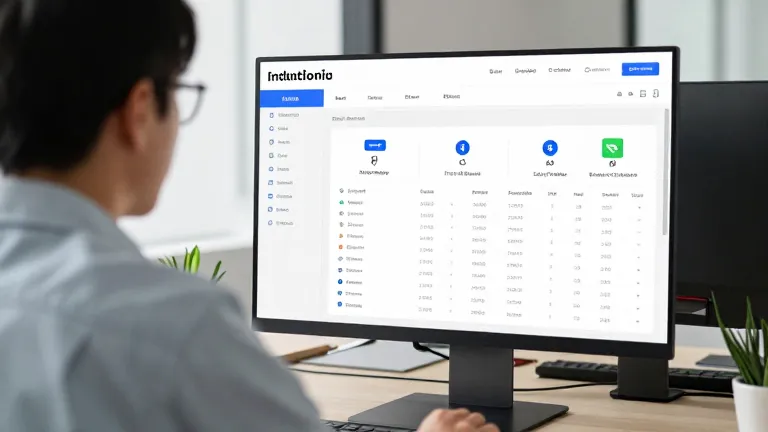
Real-Time Personalization at Scale refers to the ability of AI to analyze customer behavior, preferences, and past interactions to deliver customized content and offers instantly. This level of personalization is made possible by machine learning algorithms that process large datasets and identify patterns, enabling marketers to create dynamic, context-aware campaigns. For instance, an e-commerce platform can recommend products based on a user’s browsing history and recent purchases, increasing engagement and conversion rates.
AI-Driven Customer Segmentation
AI-Driven Customer Segmentation goes beyond static demographic data by using predictive analytics to group customers based on behavior, intent, and lifecycle stage. Unlike traditional segmentation, which relies on fixed criteria, AI continuously updates segments in real time, ensuring that marketing efforts are always aligned with current customer needs. This approach allows small businesses and digital marketers to target high-value audiences with precision, improving campaign effectiveness and customer satisfaction.
Automated Content Creation and Curation with AI
Automated content creation and curation with AI are transforming how marketers produce and distribute content. By leveraging AI tools, businesses can streamline the creation of text, images, and videos, while also managing large content libraries more efficiently. These technologies enable real-time adaptation of content for different platforms and audiences, ensuring consistency and relevance across channels.
- AI tools for content generation are becoming essential for marketers looking to produce high-quality material quickly.
- Automated curation systems help manage vast content libraries by filtering and organizing assets based on relevance and performance.
- AI can adapt content for different platforms and audiences in real time, ensuring messages are tailored to specific contexts.
- Integrating AI into content workflows reduces manual effort and allows marketers to focus on strategy and creativity.
AI Tools for Content Generation
AI tools for content generation are revolutionizing the way marketers create text, images, and videos. Platforms like Jasper, Copy.ai, and Midjourney use natural language processing and machine learning to generate original content that aligns with brand voice and audience preferences. These tools not only save time but also help maintain consistency across campaigns. Marketers can use AI to draft blog posts, social media updates, and even video scripts, reducing the need for manual content creation.
Additionally, AI-driven image and video generators are expanding the possibilities for visual content. These tools can create visuals that match brand aesthetics or generate variations of existing content, ensuring a diverse and engaging output. While AI-generated content is not a replacement for human creativity, it serves as a powerful complement, especially for small businesses and freelancers with limited resources.
Automating Content Curation and Distribution
Automating content curation and distribution allows marketers to manage large content libraries more efficiently. AI systems can analyze performance data to identify which content resonates best with audiences, helping marketers prioritize what to promote. This ensures that the most effective content reaches the right people at the right time, maximizing engagement and conversion rates.
AI can also streamline the distribution process by scheduling posts across multiple platforms and adjusting content for different formats. This real-time adaptation ensures that messages are optimized for each channel, improving overall campaign performance. As a result, marketers can maintain a consistent presence without the need for constant manual oversight.
AI-Driven Chatbots and Customer Support Automation
AI-driven chatbots are transforming customer support by replacing traditional service models with faster, more scalable solutions. These intelligent systems enable businesses to handle high volumes of customer inquiries efficiently while maintaining consistent service quality. As chatbots evolve, they are becoming integral to customer support automation, bridging the gap between human agents and automated assistance.

Integrating AI Chatbots with CRM Systems
Integrating AI chatbots with CRM systems allows for smarter, data-informed customer interactions. By connecting chatbots to customer databases, businesses can access real-time customer information, enabling personalized responses and tailored support. This integration ensures that chatbots can reference past interactions, preferences, and purchase history, making conversations more relevant and efficient.
AI-powered chatbots can also streamline data collection and update customer profiles automatically. For example, when a customer asks about their order status, the chatbot can pull the latest information from the CRM, provide an accurate response, and even suggest next steps. This level of integration enhances both customer satisfaction and operational efficiency.
AI-Powered Customer Support Workflows
AI-powered customer support workflows are revolutionizing how businesses manage support requests. These workflows enable chatbots to handle routine inquiries, such as tracking orders or answering FAQs, freeing human agents to focus on complex issues. By automating repetitive tasks, businesses can reduce response times and improve customer experience.
The use of AI in customer support workflows also allows for better resource allocation. Chatbots can triage inquiries based on urgency and complexity, directing them to the appropriate team or agent. This not only improves efficiency but also ensures that customers receive the right level of support at the right time.
The Role of AI in Predictive Marketing and Lead Scoring
AI is revolutionizing predictive marketing by enabling marketers to anticipate customer behavior and intent with greater precision. By leveraging advanced analytics and machine learning, brands can now forecast trends, optimize campaigns, and allocate resources more effectively. This shift is particularly impactful for small businesses and digital marketers looking to maximize ROI through data-driven strategies.
Predictive Marketing with AI
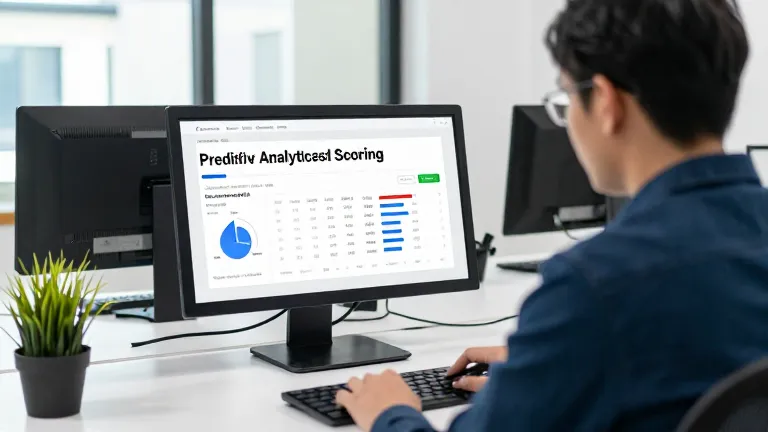
Predictive marketing with AI involves analyzing vast amounts of customer data to identify patterns and predict future actions. These insights allow marketers to tailor messaging, timing, and offers to align with individual preferences. For example, AI can detect when a customer is likely to make a purchase based on browsing history, enabling proactive engagement that boosts conversion rates.
Machine learning models continuously refine these predictions by learning from new data, making marketing strategies more adaptive and responsive. This dynamic approach ensures that campaigns remain relevant and effective over time. As a result, marketers can focus on high-potential opportunities rather than relying on guesswork or outdated assumptions.
Lead Scoring and AI Integration
Lead scoring models are becoming increasingly sophisticated as AI integrates with customer data to assess the likelihood of conversion. Traditional scoring methods often rely on static criteria, but AI-driven models consider real-time behavior, engagement levels, and even sentiment analysis to assign more accurate scores.
By automating lead scoring, marketers can prioritize high-value leads and allocate their efforts more efficiently. This not only improves response times but also enhances the overall quality of leads entering the sales pipeline. As AI continues to evolve, its role in refining lead scoring will become even more critical for achieving measurable marketing success.
AI and the Future of Marketing Automation Workflows
AI is redefining marketing automation workflows by making them more self-sustaining and adaptive. As businesses seek to streamline operations and improve customer engagement, AI-driven workflows are becoming central to modern marketing strategies. These intelligent systems are not only reducing the need for manual oversight but also enabling marketers to focus on strategic decision-making rather than repetitive tasks.
Building Intelligent Marketing Workflows
Building Intelligent Marketing Workflows involves the seamless integration of AI with existing marketing tools and platforms. This integration allows for real-time data processing, which enables workflows to adapt dynamically to customer behavior and market conditions. For example, AI can automatically adjust email campaigns based on user interactions, ensuring that each customer receives the most relevant content at the right time.
The Roadmap for AI-Integrated Marketing Automation
The Roadmap for AI-Integrated Marketing Automation includes the continuous evolution of workflows to become more responsive and data-driven. Future workflows will leverage machine learning to predict customer needs and automate complex tasks with minimal human intervention. This shift toward intelligent automation means marketers can expect greater efficiency, enhanced personalization, and more accurate performance insights, all contributing to a more effective and scalable marketing strategy.
Frequently Asked Questions
What are the best AI tools for marketing automation?
AI tools like HubSpot, Marketo, and Pardot offer advanced automation features. These platforms leverage AI for personalization, content creation, and customer insights. Choosing the right tool depends on business needs and scalability.
How can AI improve customer personalization in marketing?
AI analyzes customer data to deliver tailored experiences. It enables real-time personalization and segmentation, enhancing engagement. This leads to more relevant interactions and improved conversion rates.
Can AI completely replace human marketers?
AI enhances marketing efficiency but cannot fully replace human creativity and strategy. It handles repetitive tasks and data analysis, while humans focus on innovation and complex decision-making.
What is the future of marketing automation with AI?
The future of marketing automation with AI involves smarter workflows, predictive analytics, and seamless integration. As AI evolves, it will drive more personalized, efficient, and data-driven marketing strategies.
Next Steps in AI-Driven Marketing
AI is redefining marketing automation with smarter personalization, content creation, and predictive analytics. Marketers must adapt by integrating AI tools and focusing on strategic insights.
To stay ahead, invest in AI-driven platforms and refine workflows. The next step is to explore AI tools that align with your business goals and enhance customer engagement.