
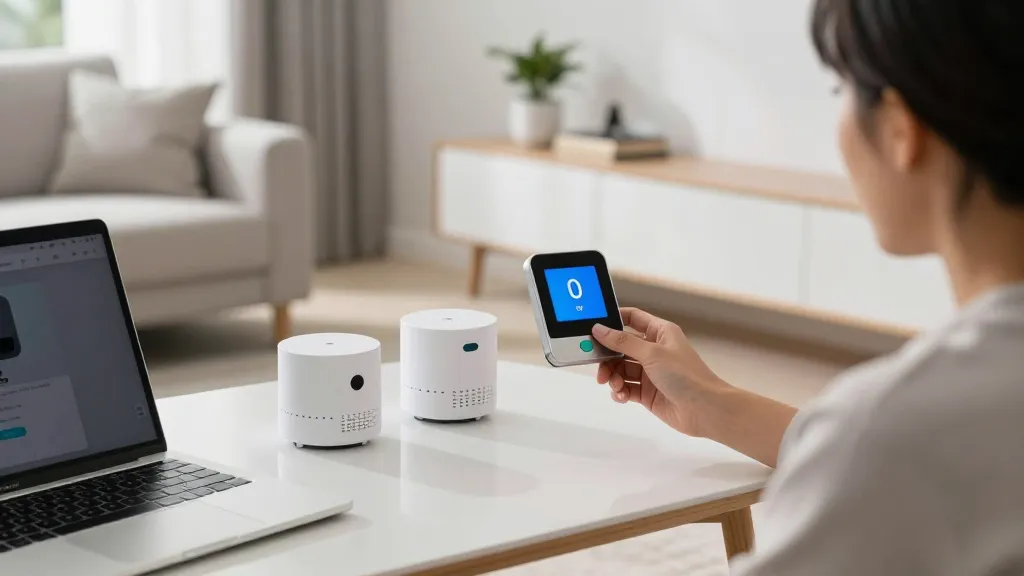
In today’s fast-paced digital world, small business owners, digital marketers, and content creators are constantly seeking ways to streamline their workflows. A reliable local voice assistant pipeline can be a game-changer, offering privacy, control, and efficiency without relying on cloud services. While commercial voice assistants provide convenience, building a custom local setup allows for greater customization and data security. This guide walks you through the process of rebuilding your local voice assistant pipeline using open-source tools and tailored configurations, ensuring a robust and personalized voice assistant experience.
The journey to a more efficient workflow begins with understanding why a local voice assistant pipeline is worth the effort. Unlike cloud-based solutions, local setups give you full control over your data and allow for seamless integration with your existing tools. Whether you're managing tasks, automating content creation, or optimizing marketing strategies, a reliable local voice assistant can significantly enhance your productivity. This guide provides a clear, step-by-step approach to help you achieve that.
Rebuilding your local voice assistant pipeline involves selecting the right tools, configuring wake word detection, integrating speech recognition, and optimizing performance. By focusing on open-source solutions and custom configurations, you can create a voice assistant that fits your unique needs. This article covers each stage in detail, ensuring you have the knowledge and resources to build a dependable and efficient local voice assistant setup.
Why Rebuild Your Local Voice Assistant Pipeline?
Rebuilding your local voice assistant pipeline offers significant advantages for small business owners, digital marketers, and content creators who prioritize privacy, performance, and customization. While commercial voice assistants provide convenience, they often fall short in delivering the level of control and adaptability required for local setups. By building a self-hosted pipeline, you can tailor the system to your specific needs and ensure that your data remains secure and private.
Privacy and Control: The Case for Local Voice Assistants
Commercial voice assistants typically operate in the cloud, which means your voice data is processed and stored remotely. This setup raises privacy concerns, especially for users who handle sensitive information or require strict data control. A local voice assistant pipeline, on the other hand, keeps all processing on-device, ensuring that your data never leaves your system. This is particularly important for businesses that need to maintain compliance with data protection regulations and for individuals who value complete control over their digital interactions.
Performance and Customization: Why a Local Setup Matters
A self-hosted pipeline allows for greater customization and optimization of both wake word detection and speech recognition. Commercial solutions often lack the flexibility to fine-tune these components, leading to subpar performance in noisy environments or with low-quality microphones. By rebuilding your pipeline, you can integrate advanced tools like microwakeword for improved wake word detection and local speech recognition engines that adapt to your specific use case. This level of customization not only enhances reliability but also improves the overall user experience, making your voice assistant more responsive and accurate in real-world scenarios.
Choosing the Right Tools for Your Pipeline
Selecting the right tools is crucial for building a reliable local voice assistant pipeline. The choice between open-source and commercial solutions depends on your specific needs, such as performance, customization, and privacy. Balancing these factors ensures that your pipeline is both efficient and effective.
- Select a reliable wake word detection library, such as microwakeword.
- Choose a speech recognition engine that supports local processing, like Picovoice or DeepSpeech.
- Ensure compatibility between tools and consider performance trade-offs.
Wake Word Detection: Open-Source Vs. Commercial Solutions
Wake word detection is the first step in any voice assistant pipeline. Open-source solutions like openwakeword offer flexibility and customization, but they may lack the robustness of commercial alternatives. Commercial tools, such as microwakeword, provide better performance and reliability, especially in noisy environments. However, they may come with licensing costs or limited customization options. When selecting a wake word detection library, consider your priorities: whether you value open-source flexibility or the performance of a commercial solution.
The choice between open-source and commercial wake word detection libraries often comes down to trade-offs. Open-source options are free to use and allow for deep customization, but they may require more technical expertise to set up and maintain. Commercial solutions, like microwak, offer out-of-the-box reliability and better support for real-world conditions, such as background noise and different accents. However, they may not be as flexible for advanced customization. It's important to evaluate your specific use case and technical capabilities before making a decision.
Speech Recognition: Local Vs. Cloud-Based Options
Speech recognition is the next critical component of your pipeline. Local speech recognition engines, such as Picovoice and DeepSpeech, process audio data on your device, ensuring privacy and reducing latency. These tools are ideal for users who prioritize data security and want to avoid reliance on cloud services. Cloud-based speech recognition, on the other hand, offers greater scalability and access to advanced features, but it introduces latency and potential privacy concerns. Choosing a local solution allows for faster response times and full control over your data, but it may require more computational resources.
When selecting a speech recognition engine, consider whether you need local processing or cloud-based capabilities. Local engines like Picovoice are efficient and secure, making them suitable for small business owners and content creators who want to keep their data private. Cloud-based options may offer better accuracy and support for multiple languages, but they require a stable internet connection and may compromise privacy. Balancing these factors ensures that your pipeline meets your specific needs while maintaining performance and security.
Setting Up the Wake Word Detection Component
Setting up the wake word detection component is a critical step in building a reliable local voice assistant pipeline. By using microwakeword, you can achieve more accurate and responsive wake word detection, especially in noisy environments. This section guides you through the installation and configuration of microwakeword, as well as how to test and optimize its performance for your specific use case.
Installing and Configuring Microwakeword
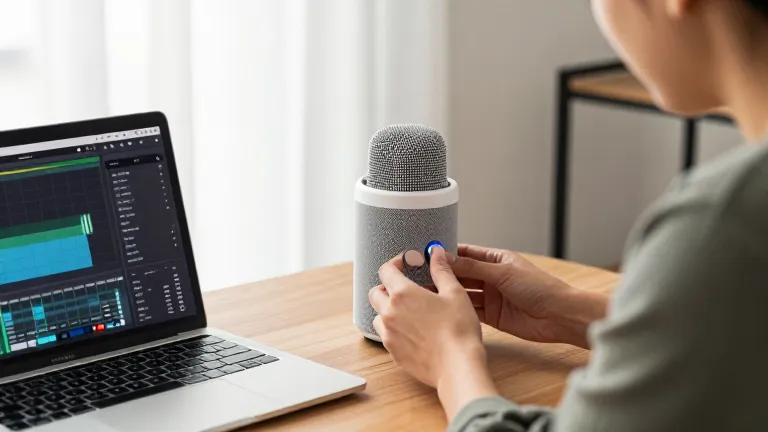
To install microwakeword, start by cloning the repository from its GitHub page. Once installed, you'll need to download or train a wake word model tailored to your specific needs. Microwakeword supports both pre-trained models and custom models, allowing you to create a wake word that suits your workflow. When configuring the model, ensure you set the correct parameters such as the model path, sensitivity, and audio input settings to match your hardware and environment.
Testing and Optimizing Wake Word Performance
After setting up the wake word model, it's essential to test its performance in various noise conditions. Begin by testing in a quiet environment to confirm that the wake word is detected reliably. Then, gradually introduce background noise and test the system's ability to distinguish between the wake word and ambient sounds. Adjust the sensitivity settings to minimize false positives and negatives. Regularly re-evaluate and refine the model's performance to ensure it remains effective in different scenarios, such as busy workspaces or public areas.
Integrating Speech Recognition Into the Pipeline
Integrating speech recognition into your local voice assistant pipeline is crucial for translating spoken commands into actionable tasks. By using a local speech recognition engine like Picovoice or DeepSpeech, you ensure faster response times and better privacy, as the processing happens on your device rather than in the cloud.
- Install and configure Picovoice or DeepSpeech on your system, ensuring it's compatible with your operating system and hardware.
- Set up the speech recognition engine to work alongside your wake word detection system, ensuring smooth handoff between detection and command processing.
- Train or fine-tune the speech recognition model with your specific vocabulary to improve accuracy for your use cases.
- Test the speech recognition engine in various environments to assess its performance under different noise levels and microphone qualities.
Setting Up a Local Speech Recognition Engine
Setting up a local speech recognition engine involves installing and configuring the chosen software, such as Picovoice or DeepSpeech. Picovoice offers a lightweight, on-device solution with pre-trained models for common commands, while DeepSpeech provides a more flexible, open-source alternative that can be trained on custom datasets. Both require setup steps that include installing dependencies, selecting a model, and configuring parameters like language and acoustic settings.
Once installed, the speech recognition engine must be integrated with your wake word detection system. This integration ensures that the system transitions smoothly from detecting a wake word to processing the spoken command. Configuration files or scripts should define how the wake word output triggers the speech recognition engine, ensuring minimal latency and seamless command parsing.
Testing and Refining Command Recognition
Testing the speech recognition system in real-world scenarios is essential to evaluate its performance and accuracy. Use a variety of environments, including noisy and quiet settings, to assess how well the system handles different conditions. Pay attention to false positives and missed commands, and adjust the model or settings accordingly.
Refining command recognition involves iterating on the model's training data and configuration. If the system struggles with certain words or phrases, consider expanding the vocabulary or adjusting acoustic models. Regular testing and feedback loops will help maintain and improve the system's accuracy and reliability over time.
Optimizing and Maintaining Your Pipeline
Optimizing and maintaining your local voice assistant pipeline is essential to ensure long-term reliability and performance. Regular monitoring, updates, and hardware improvements help sustain accuracy and adapt to changing environments.
Tracking and Improving Pipeline Performance
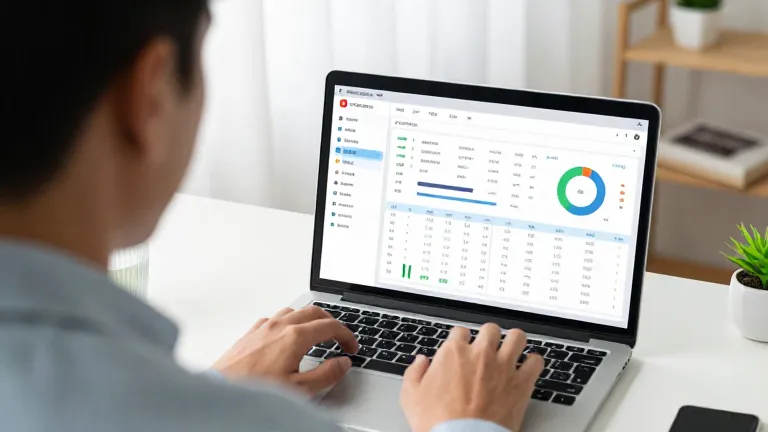
Monitoring performance metrics like false positives and negatives is crucial for identifying areas of improvement. Use logs or dedicated tools to track how often the system misinterprets commands or misses speech. This data helps refine wake word detection and speech recognition accuracy. Regularly reviewing these metrics allows you to adjust settings or retrain models to better suit your environment and usage patterns.
Maintaining and Updating Your Voice Assistant Setup
Keeping your models and dependencies up to date ensures your pipeline remains effective and secure. Check for new versions of tools like microwakeword or speech recognition engines, and apply updates to benefit from improved algorithms and bug fixes. Also, consider replacing outdated models with more accurate or specialized ones if needed. Regular maintenance also includes cleaning up unused dependencies and ensuring compatibility with your system's current configuration.
Hardware upgrades can significantly enhance audio input quality, especially in noisy environments. Consider investing in a higher-quality microphone or sound card to improve the clarity of captured speech. Better hardware reduces the likelihood of false detections and improves overall recognition accuracy. Additionally, ensure your system has sufficient processing power to handle real-time audio processing efficiently.
Frequently Asked Questions
What are the best open-source tools for building a local voice assistant?
The best open-source tools for building a local voice assistant include microwakeword for wake word detection, DeepSpeech or Kaldi for speech recognition, and platforms like Platypush or Mycroft for integration. These tools offer flexibility and privacy but require technical expertise to set up.
How do I configure microwakeword for custom wake words?
To configure microwakeword for custom wake words, you need to train a model using the provided training scripts, then specify the model in the configuration file. You can also adjust sensitivity and false positive thresholds to fine-tune performance.
What are the common issues with local voice assistant pipelines?
Common issues with local voice assistant pipelines include false positives/negatives in wake word detection, poor speech recognition accuracy in noisy environments, and latency in processing. These can be mitigated with proper configuration and quality hardware.
How can I improve the accuracy of my self-hosted voice assistant?
To improve accuracy, use high-quality microphones, fine-tune wake word detection settings, and train speech recognition models with real-world data. Regularly update and optimize the pipeline to adapt to new environments and usage patterns.
Final Thoughts
Rebuilding a local voice assistant pipeline offers greater control and privacy but requires careful selection and optimization of tools. With the right setup, you can achieve reliable performance even in challenging environments.
To get started, choose a combination of open-source tools that suit your needs, and follow a structured setup process. Regularly test and refine your pipeline to ensure it meets your requirements.